Catch Small Problems Before They Grow
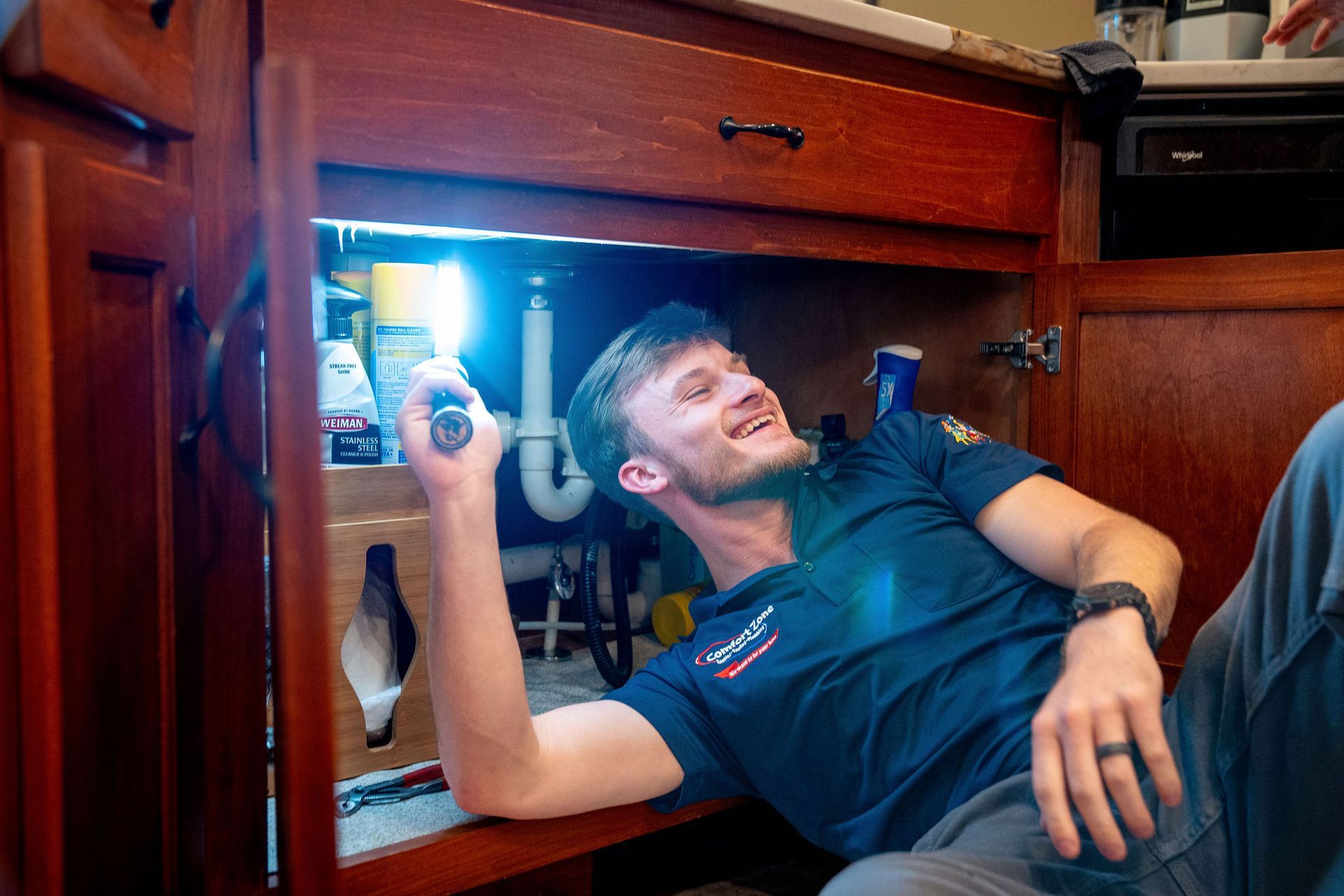
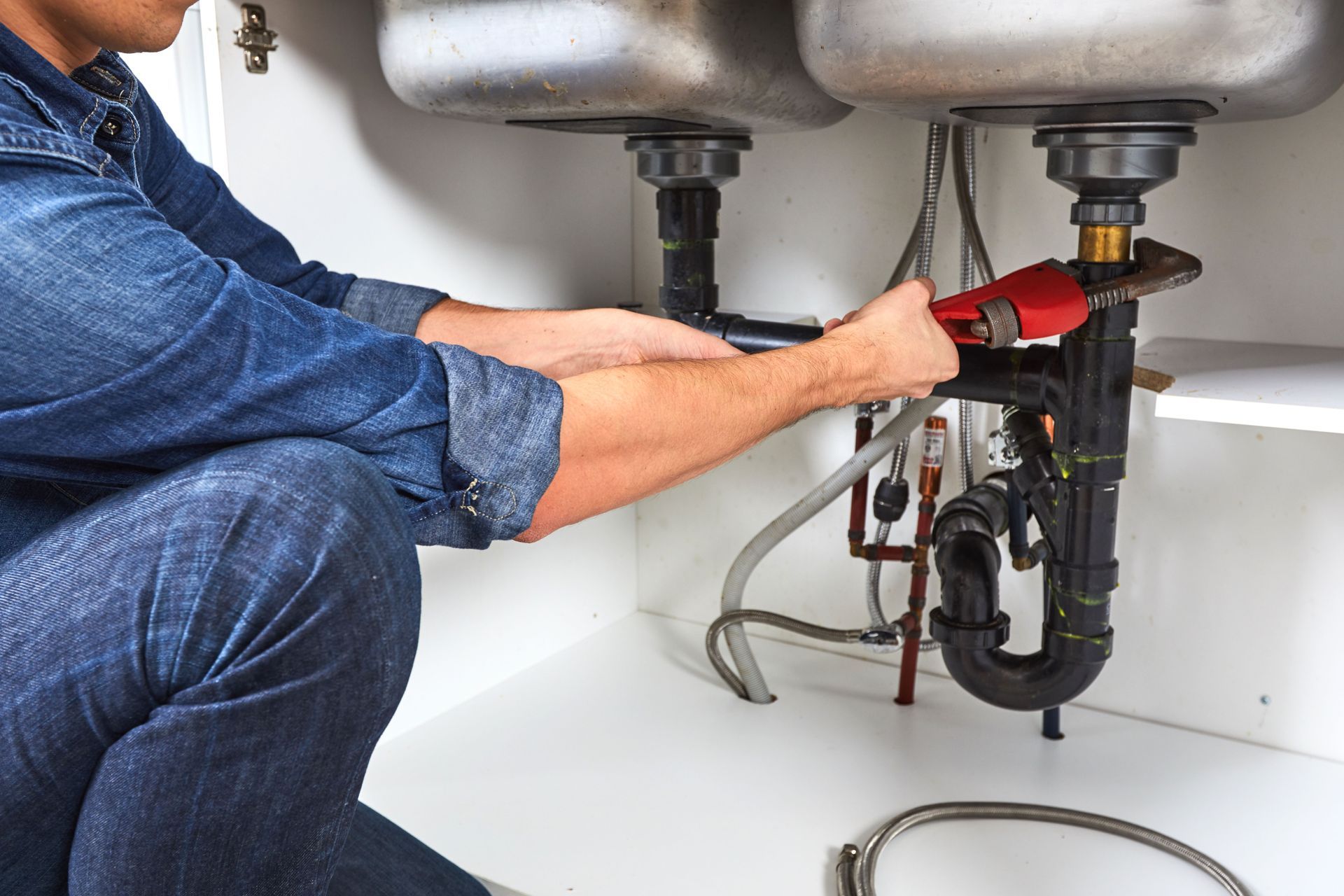
A small leak under a sink or a slow drain may not seem urgent, but minor issues can become major repairs if they are ignored. During a plumbing maintenance visit, a professional can identify potential problems early, helping you avoid more extensive damage and higher repair costs.
Reduce the Risk of Plumbing Emergencies
No one wants to deal with a burst pipe or overflowing drain. Routine maintenance helps ensure your plumbing system is working properly and lowers the chances of unexpected issues that can disrupt your home and your budget.
Keep Your Plumbing Performing Efficiently
Mineral buildup, worn components, and hidden leaks can all affect the performance of your plumbing system. Regular maintenance helps keep water flowing properly and allows your plumbing fixtures and appliances to operate as efficiently as possible.
Extend the Life of Your Plumbing System
Your plumbing system is one of the most important parts of your home. Annual maintenance helps reduce wear on pipes, fixtures, and your water heater, allowing these components to last longer and perform more reliably.
Help Protect Your Home from Water Damage
Even a small leak can lead to costly water damage if it goes unnoticed. Regular plumbing inspections can uncover hidden leaks before they damage floors, walls, cabinets, or other areas of your home.
What Does Plumbing Maintenance Include?
Every home is different, but a plumbing maintenance visit often includes:
- Checking for leaks around fixtures and exposed pipes
- Inspecting your water heater
- Testing water pressure
- Checking drains for slow drainage or buildup
- Inspecting toilets, faucets, and shut off valves
- Looking for signs of corrosion or worn components
Protect Your Home with Preventative Maintenance
Routine plumbing maintenance is one of the easiest ways to protect your home and avoid unexpected repairs. By addressing small issues early and keeping your plumbing system in good condition, you can save money and enjoy greater peace of mind.
At
Comfort Zone Heating Cooling Plumbing, we're committed to helping homeowners keep their plumbing systems running smoothly. Contact us today to schedule your annual plumbing maintenance and keep your home's plumbing in top shape.