October 6, 2026
Your home's heating and cooling system works throughout the year to maintain comfortable indoor temperatures, but its performance can change as components wear down or operating conditions shift. An HVAC test helps identify potential problems, evaluate system performance, and determine whether equipment needs maintenance or adjustment. During an inspection, a technician may examine the thermostat, electrical connections, air filters, airflow, refrigerant levels, and other components depending on the type of system and the purpose of the visit. Understanding what happens during this process helps homeowners prepare for an appointment and recognize the value of regular system evaluations. It can also provide useful information when considering repairs, replacement options, or future HVAC installations for your property.
Understanding the Purpose of an HVAC Test
An HVAC test evaluates how well your heating, ventilation, and air conditioning equipment performs under its current operating conditions. The exact procedures depend on whether the technician is inspecting a furnace, central air conditioner, heat pump, or another type of system. Some visits focus on diagnosing a specific problem, while others involve broader performance checks as part of preventive maintenance. During testing, technicians look for signs of wear, improper operation, restricted airflow, and other conditions that may affect comfort or efficiency. They may compare measurements with manufacturer specifications to determine whether the equipment is operating within its intended range. Testing can also help uncover developing issues before they cause a complete system breakdown. Although an inspection cannot guarantee that equipment will never fail, it provides useful information about its present condition. Homeowners can use the findings to prioritize maintenance, discuss repair options, and plan for future HVAC installations when replacement becomes necessary.
Preparing the Thermostat and Reviewing System Controls
The thermostat is often one of the first components a technician checks because it controls when heating or cooling equipment operates. Incorrect settings, weak batteries, poor placement, or communication problems can contribute to inconsistent indoor temperatures. The technician may compare the thermostat setting with the actual room temperature and confirm that the system responds appropriately to heating or cooling commands. For programmable and smart thermostats, the review may also include schedules, operating modes, and connectivity where relevant. The technician can check whether the system starts, runs, and shuts down as expected when the temperature setting changes. If the thermostat is functioning correctly, the inspection can move toward other possible causes of the problem. Homeowners should mention any unusual behavior, including delayed starts, frequent cycling, or temperature differences between rooms. Accurate information about these symptoms helps the technician narrow down potential causes and avoid unnecessary adjustments.
Inspecting Electrical Connections and Mechanical Components
Electrical and mechanical inspections help determine whether the system's essential components are operating safely and reliably. Depending on the equipment, a technician may examine wiring, capacitors, motors, switches, and other accessible electrical parts. Loose connections, damaged insulation, or worn components can interfere with operation and may create safety concerns. The technician may also listen for unusual noises and look for excessive vibration that could indicate mechanical wear or an installation problem. Power should be handled according to appropriate safety procedures, and homeowners should not attempt to inspect energized components themselves. For gas-fired equipment, additional checks may be necessary to evaluate relevant safety controls and combustion-related components. The specific inspection depends on the equipment type, its condition, and the symptoms reported by the homeowner. Identifying these concerns early can help determine whether a repair is appropriate or whether more extensive evaluation is needed.
Evaluating Airflow and Filter Performance
Airflow testing helps determine whether conditioned air moves through your home as effectively as the system is designed to deliver it. A technician may inspect air filters, supply vents, return grilles, and accessible ductwork for restrictions or visible damage. Dirty filters can limit airflow, making the equipment work harder to maintain the desired temperature. Blocked vents and leaking ducts may also contribute to uneven heating or cooling between rooms. Depending on the system, the technician may measure airflow or static pressure to identify restrictions that require further investigation. These measurements can help distinguish between a simple maintenance issue and a more complicated ductwork or equipment problem. Homeowners should mention rooms that feel unusually warm, cold, or stuffy during the appointment. Proper airflow is also an important consideration when evaluating HVAC installations because equipment and ductwork must work together to support the home's heating and cooling requirements.
Checking Refrigerant Levels and Cooling Performance
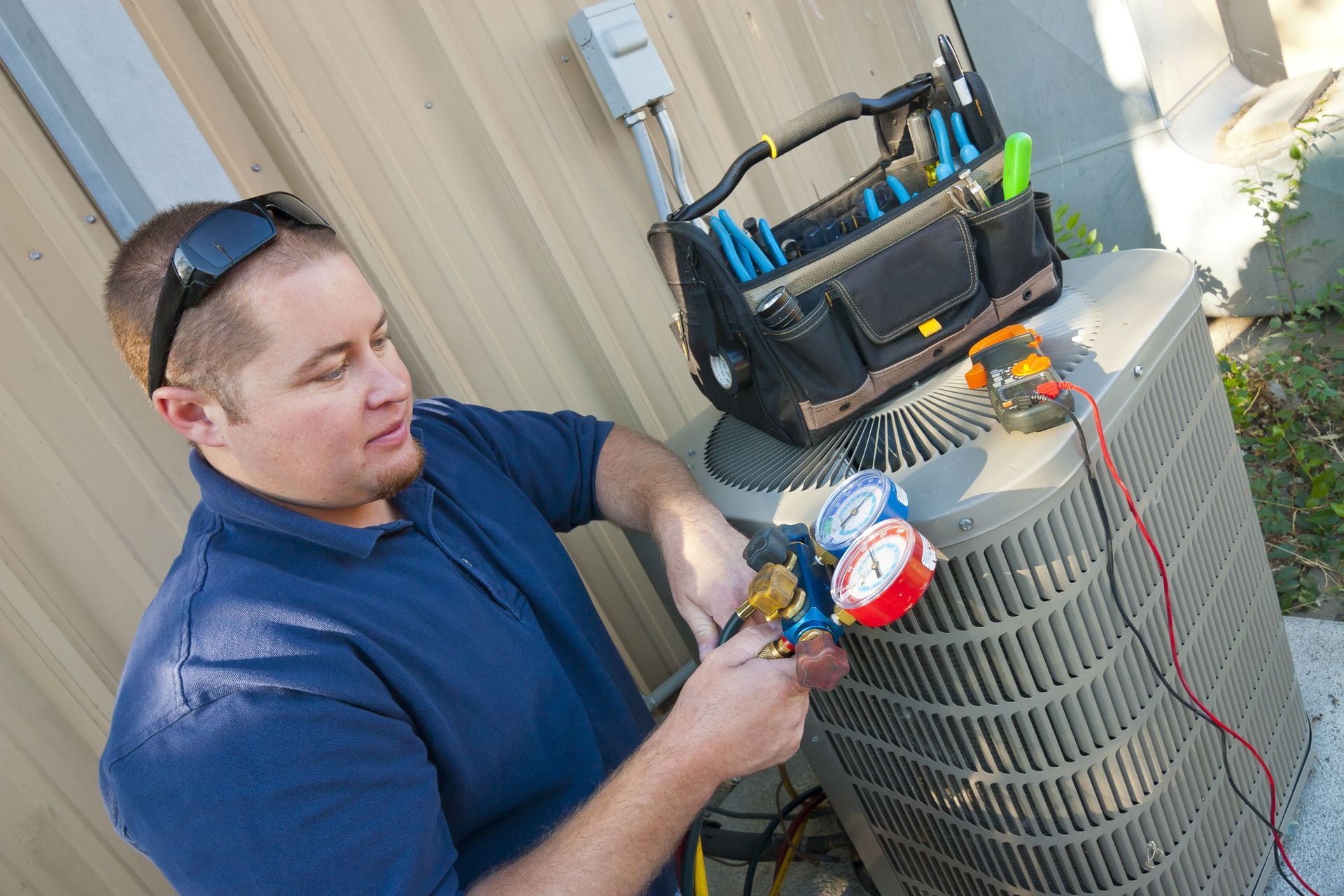
For air conditioning systems and heat pumps, refrigerant checks can help identify problems affecting cooling performance. Refrigerant transfers heat through the system, allowing indoor spaces to cool during warm weather. A technician may evaluate operating pressures, temperatures, and other measurements to determine whether the system is functioning within the manufacturer's specifications. Low refrigerant levels can indicate a leak because refrigerant circulates through a closed system rather than being consumed during normal operation. Other problems, including restricted airflow or dirty coils, can produce similar symptoms and should be considered during diagnosis. If a leak is suspected, the technician may need to locate and repair it before addressing the refrigerant charge. Homeowners should not attempt to handle refrigerants themselves because specialized equipment and applicable regulations govern these procedures. When repairs are necessary, professional testing helps establish whether the system can return to reliable operation or whether replacement and new HVAC installations deserve consideration.
Examining Heating and Cooling System Components
An HVAC test generally includes checks relevant to the equipment's specific heating and cooling functions. For a furnace, the technician may inspect burners, ignition components, safety switches, and the heat exchanger as appropriate. Heat pump inspections may include reversing valves, outdoor coils, defrost controls, and other components involved in transferring heat. Air conditioning systems may require an examination of evaporator and condenser coils, condensate drainage, and fan operation. The technician can also check for visible corrosion, unusual sounds, or water accumulation around the equipment. These observations help determine whether components need cleaning, adjustment, repair, or additional diagnostic testing. The inspection should follow the equipment manufacturer's instructions and account for the system's age and operating history. Keeping these components in suitable condition can help homeowners make better-informed decisions about maintenance and future HVAC installations.
Reviewing Energy Efficiency and Overall Performance
Testing can reveal operating conditions that contribute to unnecessary energy consumption or inconsistent indoor comfort. A technician may examine system run times, temperature differences, airflow measurements, and equipment settings to understand how the system performs. According to the U.S. Bureau of Labor Statistics, approximately 440,900 HVAC technicians were working across the United States in 2025, reflecting the scale of the workforce involved in installing, maintaining, and repairing these systems. However, efficient operation depends on more than the equipment itself because insulation, air leakage, duct design, and thermostat settings also influence energy use. A system that runs continuously may have an equipment problem, but unusually high demand from the building can produce similar symptoms. Reviewing these factors helps prevent unnecessary equipment replacements when other improvements could address the issue. The technician may explain practical options for improving performance based on the test results. This information can also help homeowners compare the potential benefits of repairs with the long-term considerations involved in new HVAC installations.
Understanding Test Results and Recommended Repairs
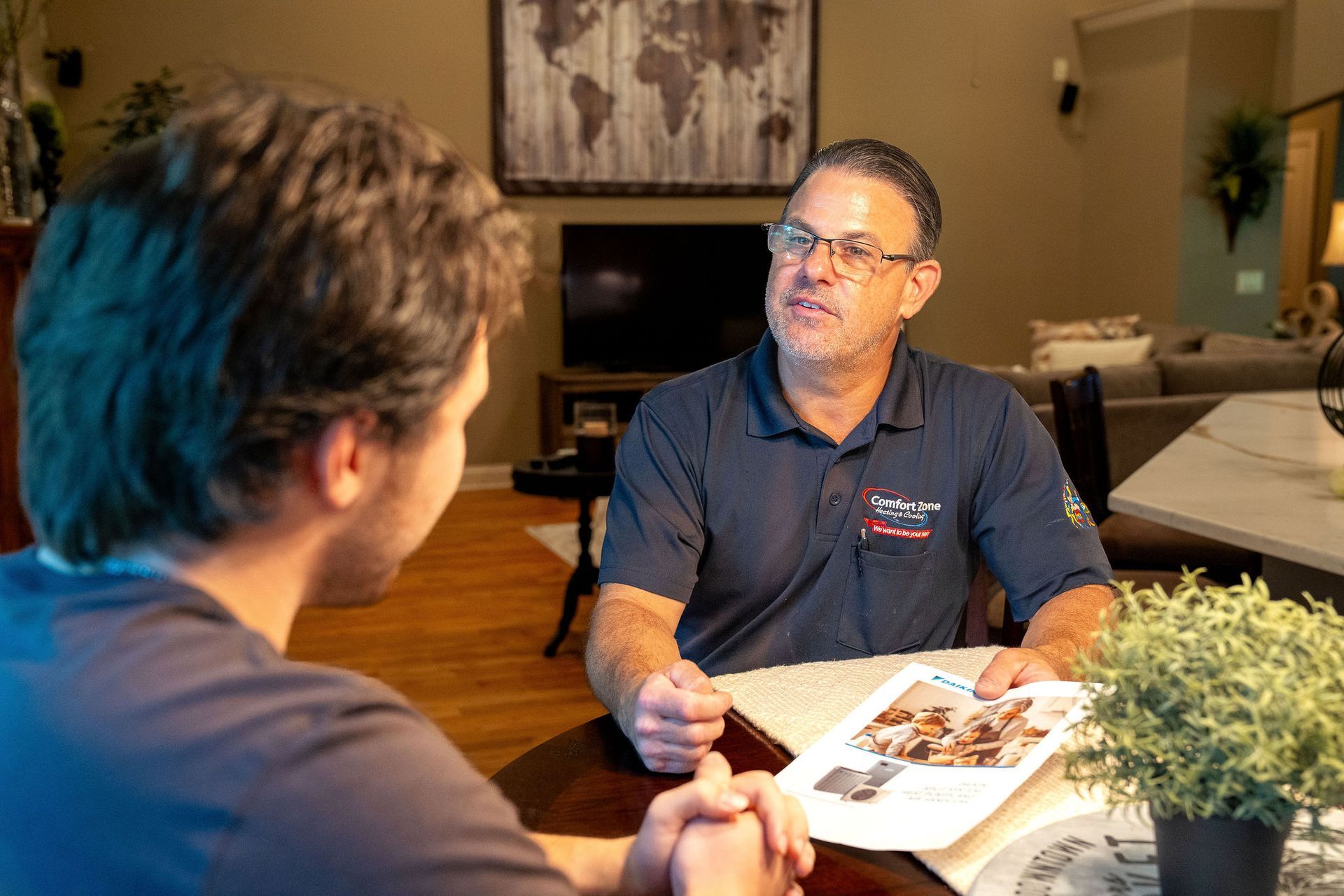
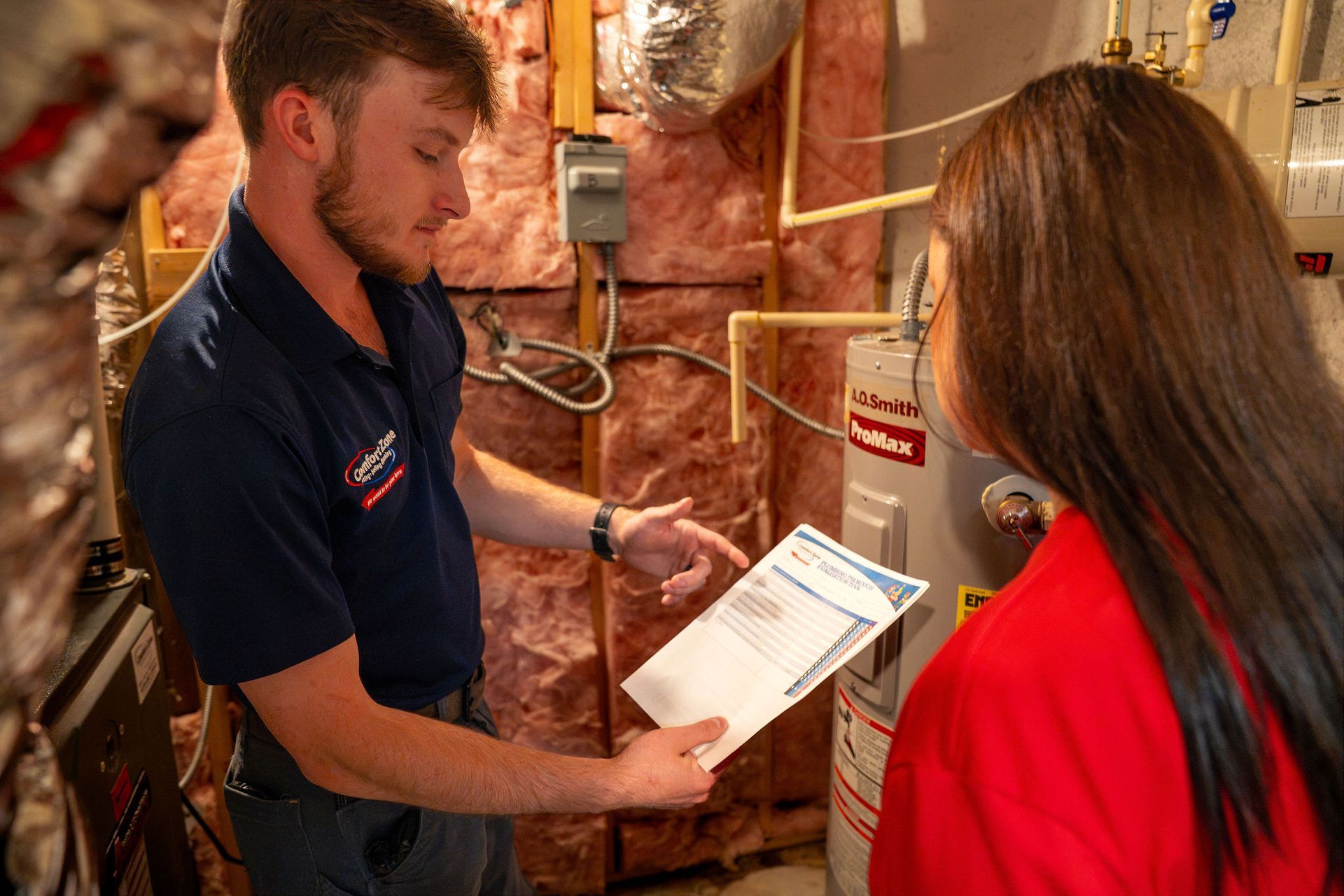
After completing the inspection, the technician should explain the findings and identify any issues that require attention. Some results may point to straightforward maintenance, such as replacing a dirty filter or clearing a blocked condensate drain. Other findings may indicate failing components, refrigerant problems, electrical concerns, or airflow deficiencies that require professional repairs. Homeowners should ask which issues need immediate attention and which can be monitored over time. Requesting an explanation of the recommended work, estimated costs, and expected benefits can make it easier to compare available options. If the system is older or repeatedly needs repairs, the technician may also discuss whether replacement is worth evaluating. A recommendation for new HVAC installations should take into account equipment condition, household comfort needs, system sizing, and the property's characteristics.
Regular HVAC testing gives homeowners a clearer picture of system condition, helps identify developing problems, and supports informed maintenance decisions. Comfort Zone Heating Cooling Plumbing can help homeowners evaluate their heating and cooling needs, address performance concerns, and explore appropriate service options. Contact us today to schedule an HVAC evaluation and learn how professional testing can help keep your home comfortable throughout the year.