September 3, 2026
Making the decision to replace your air conditioning unit is a significant investment in your home's comfort and energy efficiency. Understanding the key factors involved in selecting the right AC replacement is crucial. This article guides you through the process and answers popular questions about AC replacements. With a holistic approach to understanding your needs and weighing your options, you can select an air conditioning system that not only cools effectively but also operates efficiently. Taking the time to compare system types, sizes, efficiency ratings, and available features can help you avoid an unsuitable investment. A carefully selected AC replacement can provide dependable cooling while supporting your household's comfort and energy goals for years to come.
Recognize When You Need an AC Replacement
Considering an AC replacement is often driven by a need for improved energy efficiency. Older units can become cost-ineffective, consuming more energy than necessary and leading to increased utility bills. When an air conditioning system begins to struggle in maintaining consistent performance, it may also indicate the need for a replacement. Newer models have advanced technologies that significantly reduce energy consumption, providing a more eco-friendly solution. Replacing an aging system can also help provide more predictable cooling performance during periods of high demand.
In addition to energy savings, a new AC replacement can enhance your home's comfort. With advancements in air conditioner technology, modern units offer enhanced cooling distribution and precision temperature control. This results in a more uniformly cooled environment, eliminating hot or cold spots in your home. A newer unit can also contribute to improved indoor air quality, filtering out dust, allergens, and pollutants more effectively than older models. These improvements can make it easier to maintain a comfortable indoor environment throughout the cooling season.
Another reason to consider AC replacement is the potential reduction in repair costs and maintenance hassles. As air conditioning systems age, they require more frequent repairs, leading to higher maintenance expenses over time. Investing in a new system can ultimately be more cost-effective than continually repairing an old, inefficient unit. Moreover, manufacturers often provide warranties on newer systems, offering peace of mind and protection against unexpected issues. Evaluating your system's repair history can help determine whether continued maintenance is still a practical choice.
Explore Different AC Replacement Options
When considering an AC replacement, it's essential to familiarize yourself with the various types of systems available. Central air conditioners, for instance, are widely used in homes that have existing ductwork. They are efficient at cooling entire houses and maintaining even temperature distribution. Another option is the ductless mini-split system, which is ideal for homes without ductwork and allows individual control of different zones. Comparing installation requirements and operating costs can help you identify the system that best fits your home.
Window air conditioners present another choice, primarily used in small spaces or rooms without significant cooling needs. While less efficient for whole-home cooling compared to central systems, they can be a cost-effective solution for specific areas. Portable air conditioners offer flexibility as they can be moved from room to room, providing cooling where it's needed most. However, they often compromise on power and might not be suitable for large spaces. Consider the size and layout of the area you need to cool before selecting one of these smaller-scale options.
In recent years, geothermal heat pumps have gained popularity as an AC replacement option. They utilize the earth's consistent underground temperature to provide heating and cooling, making them an energy-efficient choice. While upfront installation costs can be high, the long-term savings on energy bills can be substantial. Each type of air conditioner has its advantages and ideal use cases, so it's important to assess your home's specific requirements and limitations before making a choice. A professional evaluation can help you understand which option offers the best balance of efficiency, performance, and installation costs.
Determine the Right AC Replacement Size
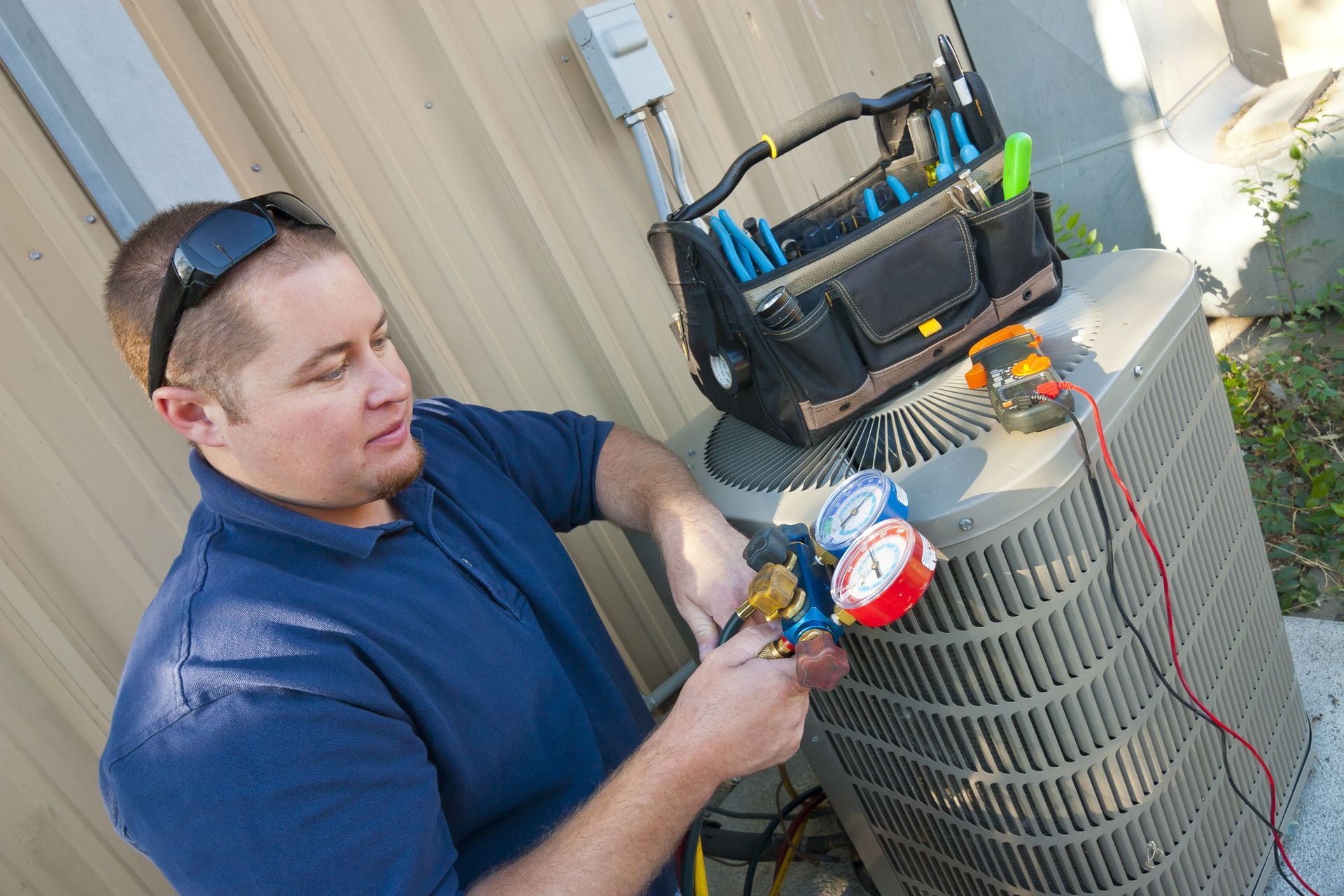
Determining the right size and capacity of your AC replacement is crucial to ensure optimal performance and energy efficiency. A unit that is too small will struggle to cool your space, leading to continuous operation and increased energy consumption. Conversely, an oversized unit will cycle on and off frequently, wasting energy and causing uncomfortable temperature fluctuations. Consulting with a professional HVAC technician is the best way to accurately assess your needs. Proper sizing also helps the system manage indoor humidity more effectively while maintaining consistent temperatures.
Several factors are considered when evaluating the appropriate size for an air conditioning unit. These include the square footage of your home, the number of windows, insulation quality, and your climate zone. The technician will perform what is known as a Manual J load calculation, which takes all these variables into account to provide a precise recommendation. This ensures that your new AC replacement system operates efficiently, effectively cooling your home without unnecessary energy expenditure. Accounting for these details can help prevent premature wear caused by an improperly sized system.
One common tip to improve your AC system's efficiency is maintaining a clean air filter. According to the U.S. Department of Energy, a clean air filter can reduce an air conditioner's energy consumption by at least five to 15%. It's an easy yet significant step to lower utility bills and extend the life of your unit. Regular maintenance and efficient system sizing promise not only comfort but also reduce environmental impacts and save money in the long run. Replacing filters according to the manufacturer's recommendations can help maintain proper airflow and system performance.
Prioritize AC Replacement Features and Efficiency
When choosing the right AC replacement, consider the features that will enhance efficiency and convenience in your home. Variable speed compressors can adjust the cooling output to closely meet your needs, providing precise temperature control and energy savings. Additionally, systems with multi-stage cooling functionalities can reduce humidity levels, creating a more comfortable indoor environment. Smart thermostats are another feature to consider, offering remote control and scheduling capabilities for optimal performance. Choosing features based on your household's habits can help ensure you are paying for upgrades that provide meaningful benefits.
Energy efficiency should be a top consideration, often rated by the Seasonal Energy Efficiency Ratio (SEER). The higher the SEER, the more efficient the unit is, translating to reduced energy consumption and lower bills. Look for AC units with a high SEER rating, which also signifies compliance with modern energy guidelines. Incorporating these factors into your AC replacement decision can lead to significant long-term savings and enhanced comfort. Comparing efficiency ratings alongside purchase and installation costs provides a clearer picture of the system's overall value.
Another beneficial feature is enhanced air filtration systems, which capture smaller particles and improve indoor air quality. Some newer models come with UV light systems and ionizers that eliminate bacteria and viruses, a feature particularly useful for households with allergy concerns. Furthermore, opting for units that operate quietly can contribute to a tranquil living space, free from disruptive noise. Carefully analyzing these features in a potential AC replacement will help you align your purchase with both your practical needs and personal preferences. Prioritizing the features that matter most to your household can help you avoid unnecessary upgrades while still improving everyday comfort.
Choosing the right AC replacement for your home involves understanding your specific needs, exploring available options, and considering various factors such as cost, efficiency, and features. By answering these common questions and considering professional advice, you can make an informed decision that enhances your home’s comfort and energy efficiency. Reach out to Comfort Zone Heating Cooling Plumbing to learn more about our services today.