August 4, 2026
Upgrading or replacing a heating and cooling setup represents a major financial commitment for any building owner. Navigating the choices surrounding equipment types, sizing requirements, contractor credentials, and overall setup procedures can quickly feel overwhelming. Having clear, reliable information helps you select the optimal setup while extending system longevity and maximizing overall operational efficiency. Addressing these critical questions before work begins protects your investment and ensures a seamless experience. Knowing what options exist, how professionals assess sizing, and what to expect during project execution helps you make confident, cost-effective decisions for your space.
1. What Systems Provide Optimal Performance?
Property owners can choose from several primary equipment designs, each suited for specific layout needs and structural configurations. Central air conditioning systems remain a standard option for larger buildings, using a network of ducts to distribute conditioned air evenly throughout multiple rooms. These setups integrate well with existing heating setups, offering uniform temperature regulation across expansive square footage.
Ductless mini-split systems offer an adaptable alternative for structures lacking existing ductwork or requiring zonal temperature adjustments. Featuring compact indoor air handlers paired with an outdoor compressor, these setups permit individualized comfort settings across separate rooms while reducing structural modifications. Meanwhile, heat pumps transfer thermal energy rather than generating it directly, offering balanced heating and cooling capability for milder climates.
Hybrid setups combine electric heat pumps with conventional fuel furnaces, allowing automated switching based on outdoor conditions to minimize utility expenses. Window and portable designs provide targeted, temporary relief for isolated spaces but lack the capacity needed for whole-building climate management. Evaluating your property layout and long-term comfort priorities helps identify which option fits best before beginning an HVAC installation.
2. How Does Sizing Impact Efficiency?
Selecting an appropriately sized system relies on calculating required heat removal capacity, measured in British Thermal Units. An undersized unit runs continuously without reaching desired thermostat settings, causing unnecessary component wear and sky-high utility costs. Conversely, an oversized unit cycles on and off rapidly, failing to dehumidify indoor air properly while creating uncomfortable temperature fluctuations.
Accurate equipment sizing requires a comprehensive load calculation performed by an experienced technician. This detailed assessment evaluates overall square footage, ceiling height, window placement, insulation quality, and regional weather patterns to determine precise heating and cooling requirements. Proper insulation plays a vital role by preventing thermal transfer, allowing property owners to utilize smaller, more efficient equipment designs.
Relying on expert calculations ensures your new system operates at peak effectiveness without unnecessary strain on internal components. Regional weather variations also dictate equipment selection, as areas with severe temperature shifts demand advanced efficiency features. Partnering with a professional during the planning phase prevents sizing errors and guarantees balanced comfort throughout your entire facility.
3. Who Provides Reliable Contractor Services?
Partnering with a licensed and certified technician is critical for achieving a successful, code-compliant equipment setup. Certified technicians possess formal training in proper handling protocols, electrical wiring, and refrigerant management, ensuring safe and accurate project execution. Verifying professional credentials and insurance coverage protects building owners from liability while guaranteeing high standards of workmanship across every phase.
Reputation and verified client reviews offer deep insight into a contractor's reliability, punctuality, and quality of service. Reviewing past project portfolios and speaking with previous clients helps confirm that the contractor consistently delivers satisfactory outcomes within agreed timeframes. A full-service provider offering initial setup, ongoing maintenance, and emergency repair support provides long-term value and convenient single-source communication.
Transparent pricing models and flexible financing options allow owners to plan budgets effectively while avoiding hidden fees. According to HomeGuide, opting to replace an existing system is generally recommended when necessary repair bills equal 50% or more of what a new unit would cost. Choosing an experienced contractor for your HVAC installation ensures honest evaluations, professional guidance, and dependable equipment performance for years to come.
4. What Steps Ensure Smooth Setup?
The setup process begins with an onsite evaluation to inspect existing infrastructure, electrical panels, and ductwork condition. Technicians discuss project timelines, equipment choices, and physical placement requirements to establish a clear action plan before work commences. This initial phase addresses potential installation challenges early, preventing unexpected delays or structural modifications once active work begins.
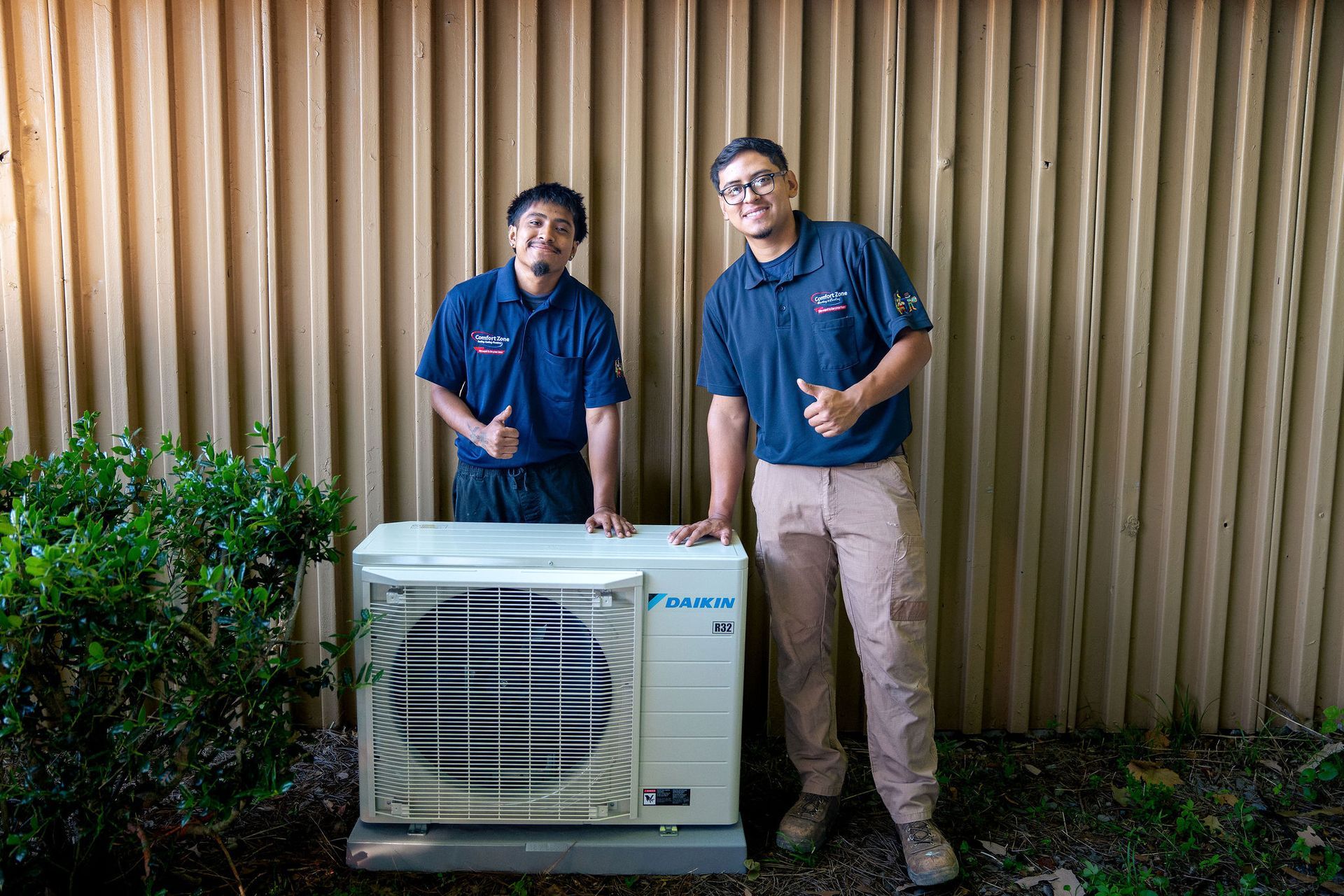
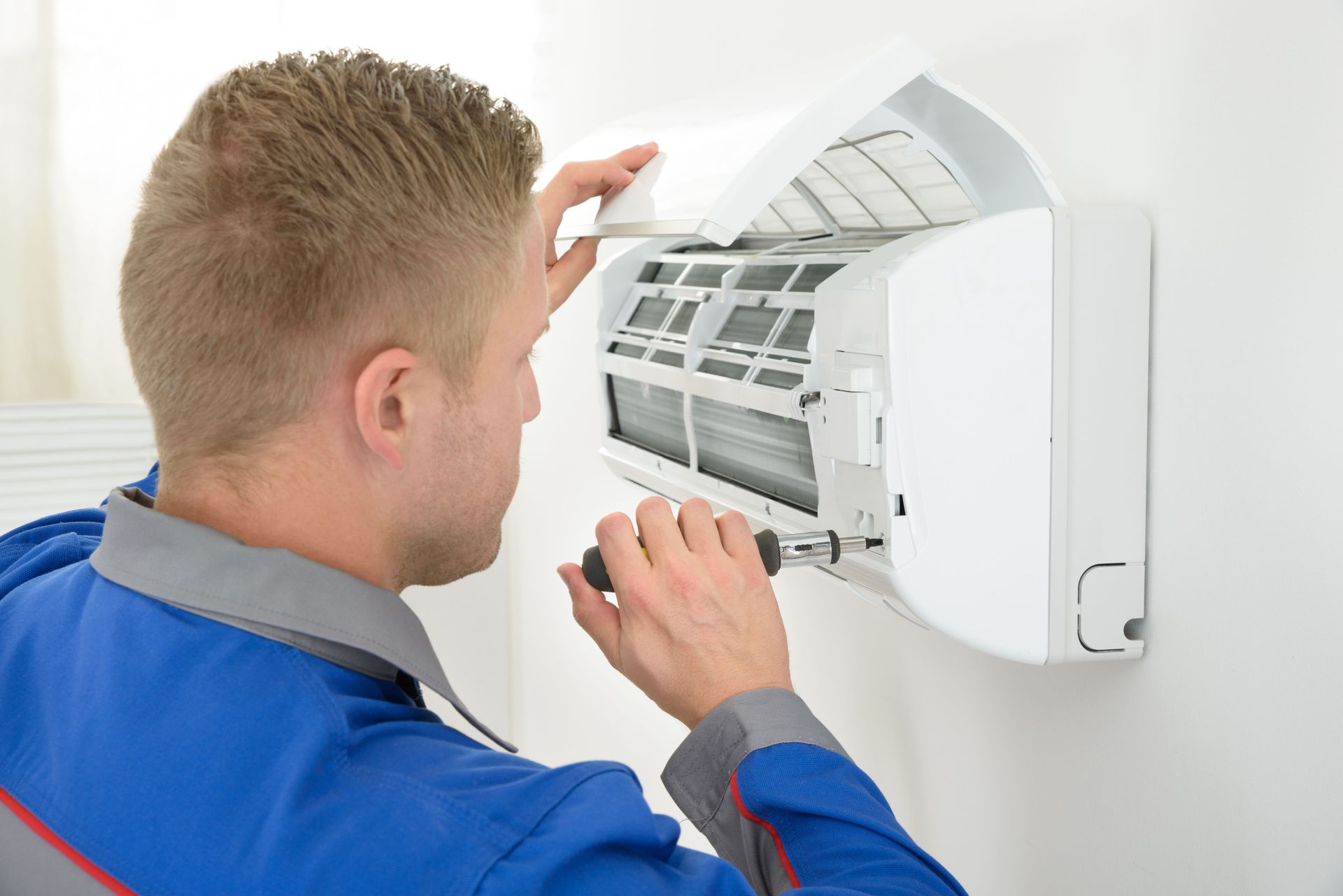
Next, technicians safely decommission and remove legacy equipment in full compliance with local environmental disposal regulations. Care is taken to protect surrounding walls, flooring, and structural components during the removal process. Technicians then position new interior and exterior units, connect electrical conduits, seal duct junctions, and secure refrigerant lines according to strict manufacturer specifications during the HVAC installation.
Once physical placement is complete, technicians conduct thorough diagnostic testing and system recalibration to verify proper operation. They measure airflow balance, test safety controls, and verify thermostat response to ensure immediate operational efficiency. The project concludes with a guided walkthrough, where technicians explain maintenance protocols, warranty guidelines, and basic controller operations to the property owner.
5. How Can Users Maximize Efficiency?
Maintaining top efficiency after initial setup requires proactive habits and proper utilization of modern thermostat controls. Setting automated schedules on programmable or smart thermostats reduces energy waste while spaces are unoccupied without sacrificing personal comfort upon return. Smart controllers adapt to daily routines over time, making real-time adjustments that lower monthly utility bills automatically.
Adhering to a routine maintenance schedule remains essential for sustaining peak performance and identifying minor wear before serious damage occurs. Scheduled checkups should cover electrical connections, coil cleanliness, drain line clearance, and refrigerant pressure levels. Routine care protects internal components, maintains manufacturer warranty protections, and prolongs overall equipment lifespan significantly.
Air filter management directly impacts internal airflow and overall indoor air quality throughout your property. Replacing clogged filters regularly prevents system strain, keeps utility costs low, and ensures clean air circulation across all zones. Properly sealing ductwork connections further prevents thermal leakage, ensuring that conditioned air reaches its intended destination without energy loss following an HVAC installation.
6. Who Resolves Common Technical Issues?
Property owners occasionally encounter performance issues shortly after completing an equipment setup project. Inadequate heating or cooling often stems from incorrect thermostat calibration, improper airflow balancing, or minor wiring discrepancies. Prompt diagnostic evaluations identify root causes quickly, allowing technicians to recalibrate settings and restore optimal climate management without unnecessary component stress.
Unusual noises, vibrations, or uneven air distribution across rooms indicate mechanical misalignment or duct balancing issues. Loose mounting brackets, fan blade imbalances, or closed dampers can disrupt quiet operation and impede uniform air distribution. Experienced technicians resolve these disruptions by securing loose components, balancing air dampers, and optimizing fan speeds for whisper-quiet performance.
Electrical misfires and moisture drainage backups require immediate professional attention to prevent property damage or system shutdowns. Condensation drain lines must maintain proper slope and remain clear of debris to prevent water accumulation near electrical components. Addressing technical anomalies swiftly protects system integrity and preserves overall operational reliability after completing your HVAC installation.
Addressing common operational questions beforehand simplifies the entire process, ensuring long-term comfort, minimal energy waste, and reliable system performance. Investing in modern climate control equipment enhances property value while delivering consistent indoor temperature regulation. Navigating equipment upgrades becomes straightforward when backed by expert guidance, quality craftsmanship, and ongoing support. Contact us today at Comfort Zone Heating Cooling Plumbing to schedule your consultation and let our team manage your next HVAC installation.