July 7, 2026
Increased Energy Costs
Inefficient Operation
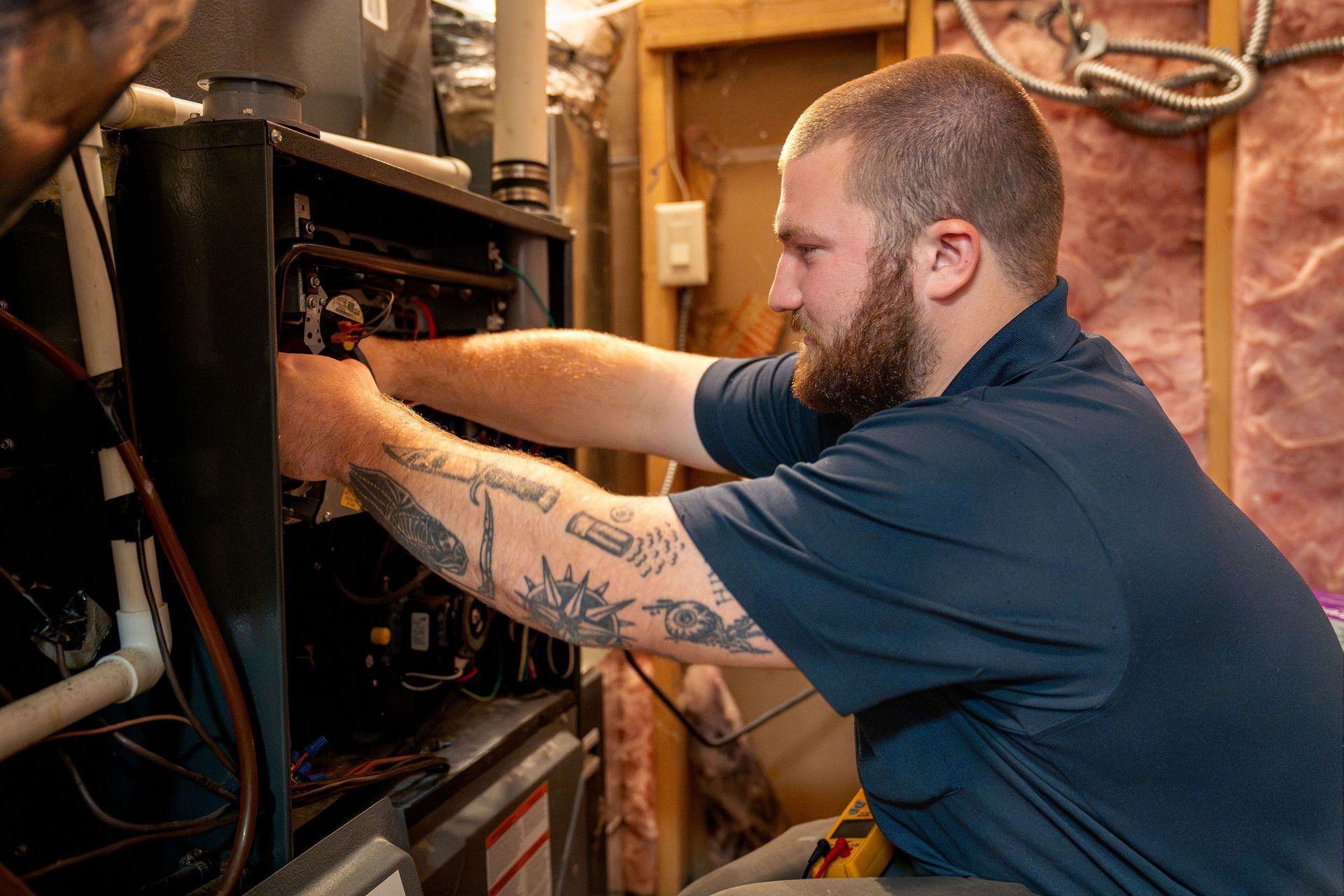
An inefficient furnace often runs longer than necessary to maintain desired temperatures. This excessive running time leads to increased energy consumption, ultimately raising utility bills. When a furnace is not operating optimally, it struggles to convert fuel into heat efficiently. This inefficiency can be due to clogged filters, malfunctioning thermostats, or worn-out components that impede functionality. Timely furnace repair ensure that the system runs efficiently and does not draw more energy than needed.
Addressing inefficiencies promptly also helps to reduce unnecessary wear and tear on the system. When the furnace works harder, it places undue stress on its components, leading to faster degradation. Regular maintenance and repair can correct these issues, ensuring the system operates smoothly. An efficient furnace not only saves money but also conserves energy. In turn, conserving energy reduces overall environmental impact, aligning with sustainable practices.
Strain on System Components
When a furnace operates inefficiently, it places additional strain on its components, accelerating wear and tear. Components such as blowers, heat exchangers, and thermostats are particularly susceptible to increased strain. Ignoring repair needs can cause small component stresses that lead to larger, more complex breakdowns. An overworked furnace often results from deferring maintenance, causing a cascade of component failures over time. Homeowners should prioritize keeping each part of their system in good condition to prevent costly replacements.
The strain can lead to frequent breakdowns, leaving homeowners without heat during critical times. Furthermore, component wear can lead to an increased risk of more severe damages occurring within the system. When these components face constant pressure, their efficiency declines significantly, affecting the entire system's performance. By conducting regular maintenance checks, homeowners can identify stressed parts and replace or fix them as needed. This proactive approach prevents larger issues and ensures continued smooth functionality of the furnace.
Preventive maintenance and early repairs reduce the workload on each component, thus extending the overall lifespan of the furnace. According to HomeGuide, a well-maintained furnace can last anywhere from 15 to 30 years, depending on several factors. Ensuring system components are not overburdened plays a critical role in achieving that longevity. When homeowners delay repairs, they risk premature system failure due to overworked components. Ensuring all parts work in harmony keeps the entire furnace system running efficiently for years.
Reduced Indoor Air Quality
Accumulation of Dust and Debris
A major issue arising from delayed furnace repair is the buildup of dust and debris within the system. As the furnace operates, it circulates air through filter systems, which can become clogged with particles over time. Without consistent cleaning and inspection, these filters can fail, causing dirt and allergens to recirculate within the home. Consequently, this leads to decreased indoor air quality and potential health issues for inhabitants. Frequent service inspections and timely filter replacements prevent these accumulations from affecting household air.
The presence of dust and debris not only pollutes the air but also strains the furnace's functionality. Dust-laden environments can cause the furnace to overwork, inefficiently heating spaces. When forced to work through clogged systems, the furnace expends more effort and consumes additional energy. Once more, responsible maintenance protects both the environment and finances, reducing unnecessary energy waste. Therefore, owners need to ensure their systems remain clean and efficient by prioritizing wear and tear repair needs.
Timely intervention and repair lessen the risk of blockage within components, safeguarding system function. When air filters and ducts are checked regularly, homeowners can avoid later complications. Preventative practices curtail the likelihood of significant debris buildup and resultant degradation.
Growth of Mold and Mildew
Mold and mildew growth pose an additional challenge when delaying furnace repair. Poorly functioning systems may not maintain adequate airflow, leading to condensation and moisture build-up. This moisture can encourage mold growth within ductwork or on other furnace components that oftentimes go unnoticed. Mold presents major health hazards, including respiratory issues and allergic reactions for residents, directly impacting their quality of life. Immediate inspection and repair prevent this mold proliferation and promote healthier indoor environments.
Effective maintenance services check for moisture levels and clean vulnerable areas for optimal operation. Observant homeowners recognize moisture symptoms and prioritize timely inspection to handle suspected mold risks early. Additionally, identifying and eliminating leaks in the system helps curb the opportunity for molds and mildews to thrive. Repair initiatives support air circulation, preventing conditions that contribute to mold accumulation and ensuring furnace longevity and function. Employing such proactive measures minimizes further complications while protecting health and minimizing repair costs.
Circulation of Pollutants
Failing to address furnace issues promptly can result in the circulation of pollutants throughout the home. When systems are not adequately maintained, problems such as leaks or inefficient filtration arise. These issues allow harmful air pollutants to infiltrate HVAC systems and subsequently spread within indoor living areas. Continuous exposure to these pollutants can induce allergies, respiratory issues, and other health complications, negatively affecting inhabitants. Timely furnace repair eradicates these dangers and supports improved indoor air quality for residents.
Pollutant issues may originate from weakened filters or residual particles flowing through neglected ductwork. Regular maintenance protocols are crucial to detect these problems and implement solutions, such as air filtration upgrades or cleaning. Moreover, leaks within damaged seals allow pollutants to infiltrate, disperse through vents, and compromise integrated systems. Furnace repair targets weak spots throughout the furnace, preventing unintended pollutant flow. Through preemptive furnace repair work, households significantly improve air quality from habitual pollutant circulation.
Safety Hazards
Risk of Carbon Monoxide Leaks
Carbon monoxide leaks pose one of the most serious risks associated with delayed furnace repairs. Faulty components, such as cracked heat exchangers, increase the likelihood of carbon monoxide leaking into homes. Homeowners must be vigilant about regular inspections, as carbon monoxide is odorless and potentially deadly if undetected. Timely maintenance and repair ensure that these components function correctly, safeguarding home occupants. Immediate attention to warning signs, such as yellow burner flames or significant soot buildup, can prevent devastating consequences.
Safety precautions should be implemented in conjunction with furnace service, including the installation of carbon monoxide detectors throughout the home. Detectors provide an initial alert should a leak occur, affording time for the family to evacuate safely. Integrating comprehensive maintenance protocols lowers the risk of major issues and ensures continued safe operation. Heating system safety checks validate that sealing equipment, flues, and ventilation systems comply with stringent safety standards. High safety standards mitigate potential dangers while maintaining essential function and reliability.
Fire Hazards
An overlooked furnace can become a fire hazard if faults compromise its safe operation. Many underlying issues contribute to fire risk, such as faulty wiring, gas leaks, or overheating motors. General wear and tear, exacerbated by delayed furnace repair, offers fertile ground for fire risks to develop and multiply. Adhering to recommended maintenance schedules and addressing concerns promptly keeps the system free of potentially catastrophic issues. Routine servicing protects homes from the devastating impacts improperly maintained furnaces can cause, including the risk of unexpected fires.
When a furnace runs with worn parts, poor airflow, clogged filtration, or unresolved performance concerns, the system may work harder than necessary and become more vulnerable to breakdowns. Prompt service helps reduce the risk of energy waste, pollutant circulation, carbon monoxide hazards, and fire-related concerns. To get the furnace repair services you need, get in touch with Comfort Zone Heating Cooling Plumbing!
Understanding the importance of timely furnace repairs is crucial for the safety, efficiency, and comfort of your home. Delaying these repairs can lead to several significant issues that can be costly and inconvenient. Before diving into the importance of timely repairs, watch the video below to learn how your furnace works and better understand what happens when something goes wrong. By addressing furnace issues promptly, homeowners can avoid the problems that come with delayed repairs. Here's what you should know about the critical areas that can be affected by deferred furnace repair.