November 5, 2026
Uneven indoor temperatures frustrate homeowners who endure sweltering upstairs bedrooms alongside freezing ground-floor living spaces throughout changing seasons. Standard, mass-produced air distribution channels rarely match the nuanced layouts, ceiling heights, or sun exposures defining individual residential properties across varied neighborhoods. When forced air encounters pinched conduits or inadequate pathways, climate balance fails, causing persistent discomfort and elevated electric bills. Investing in tailored air pathways resolves these structural imbalances by delivering equalized thermal currents directly where needed. Upgrading distribution systems creates stable indoor environments, turning inconsistent residences into retreats of predictable, soothing warmth and refreshing chill during extreme climatic shifts.
Analyzing Spatial Architecture Through Precision Load Calculations
Every residential floor plan distributes thermal energy differently based on exterior window placement, attic insulation depth, and ceiling volume. Generic conduit systems distribute air uniformly without accounting for rooms that absorb intense afternoon sunlight or face chilly northern winds. Professional heating contractors conduct comprehensive manual calculations to determine the precise volume of conditioned air required for each specific living zone. Sizing sheet metal pathways to mirror these thermal requirements prevents airflow starvation in isolated corners while keeping central spaces balanced. Precision engineering eliminates arbitrary supply guesses, directing the correct volume of conditioned airflow into every corner of your home.
Replacing Outdated Systems Through Comprehensive Upgrades
Aging conduits frequently develop hidden interior collapses, loose seam tape, and restricted turns that prevent balanced temperature distribution. Homeowners planning major mechanical renovations must recognize how distribution retrofits impact overall project duration during scheduled equipment replacements. According to HomeGuide, HVAC installation generally takes 1 to 2 days when existing ductwork can be used, but the process may take 3 to 5 days if new ductwork is needed. Dedicating additional setup days for HVAC installation teams to tailor custom sheet metal pathways prevents persistent hot and cold zones, ensuring new heating machinery functions smoothly without encountering airflow restrictions throughout daily household operations.
Eliminating Restricted Pathways With Aerodynamic Transitions
Standard pre-molded duct fittings often force moving air through sharp ninety-degree angles, creating significant static pressure and turbulence. Rushing airflow slows down drastically when hitting abrupt corners, losing momentum before reaching far bedrooms located at hallway ends. Custom metal fabrication utilizes sweeping radii, gradual transitions, and smooth turning vanes to guide moving currents effortlessly along building corridors. Minimizing internal air friction allows blowers to deliver high volumes of treated air across extended distances without requiring excessive fan energy. Smoothing interior conduit bends balances output, keeping distant rooms comfortable while preventing noisy register whistling throughout quiet nighttime hours.
Sizing Air Supply Runs for Balanced Thermal Delivery
Undersized metal conduits choke conditioned air volume, while oversized pathways cause moving air velocity to drop prematurely. When velocity drops, treated currents fail to mix thoroughly with ambient room air, allowing distinct temperature layers to form between ceilings and floors. Fabricating custom trunk lines and branch ducts ensures uniform static pressure throughout the entire distribution network, regardless of distance from blowers. Properly proportioned runs release steady air supplies from every supply register, preventing drafts near floor vents. Matching conduit dimensions to specific room sizes balances thermal delivery, keeping every living zone comfortable through all seasons.
Regulating Multiple Microclimates Through Dynamic Zone Dampers
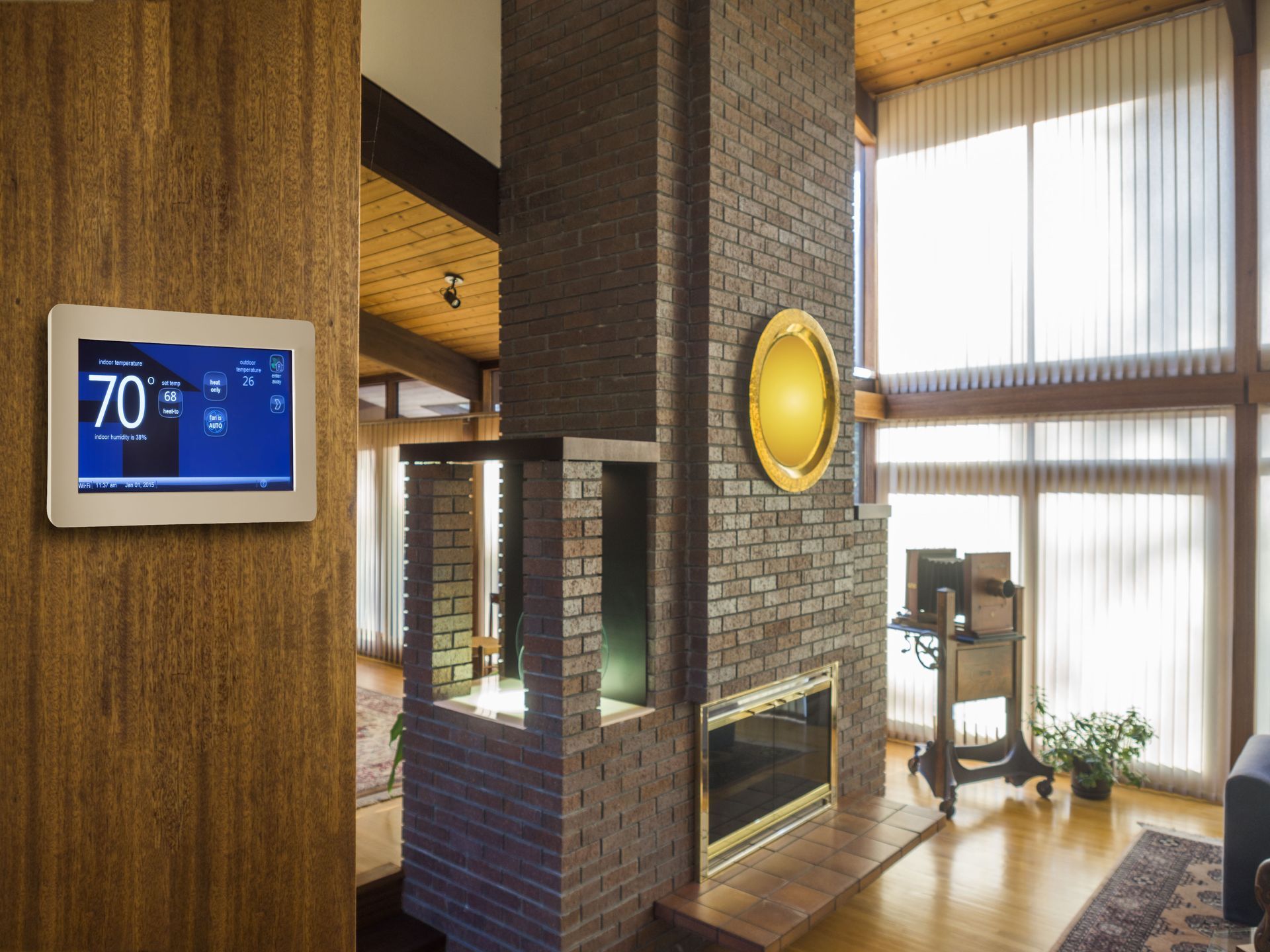
Multilevel homes experience natural thermal stratification because warm air rises upward while heavier cold air settles into basements. Installing custom distribution conduits allows technicians to embed automated zone dampers directly inside primary sheet metal supply trunks. Controlled by independent room thermostats, these motorized metal louvers open and close automatically to divert extra heating or cooling toward struggling areas. Directing thermal energy specifically where heat gathers prevents first-floor rooms from freezing while bedrooms stay warm. Integrating customized zoning into comprehensive HVAC installation projects delivers personalized comfort, satisfying varying family preferences across individual rooms.
Sealing Air Leaks With Advanced Mastic Compounds
Unsealed duct connections leak substantial volumes of conditioned air into unconditioned attics, damp crawlspaces, and empty wall cavities. Losing air pressure along the delivery pathway prevents adequate thermal volumes from ever reaching distant supply registers. Custom fabricators build interlocking sheet metal seams, securing every joint with heavy-duty mechanical screws, fiber-reinforced tape, and thick mastic paste. Eliminating perimeter air leaks preserves air pressure within the conduits, ensuring conditioned air reaches intended living quarters. Preventing wasteful duct leakage stabilizes indoor temperatures, lowers monthly energy costs, and keeps heating systems operating cleanly without pulling dusty attic air.
Balancing Return Air Pathways With Dedicated Intake Grilles
Heating systems cannot push fresh, conditioned air into enclosed rooms if trapped, stagnant air cannot simultaneously escape back out. Standard homes often feature a single central return grille, creating pressurized rooms with closed doors that reject incoming supply air. Custom distribution layouts incorporate dedicated return pathways or jumper ducts in every bedroom to ensure continuous circulation. Pulling stale air out allows fresh, temperature-controlled air to enter freely without encountering high resistance behind closed doors. Balancing intake and exhaust pressures throughout living areas eliminates stuffy pockets, maintaining consistent temperatures from room to room.
Selecting Insulating Wraps for Extreme Attic Environments
Sheet metal conduits running through unconditioned attics or frigid basements experience substantial conductive heat loss during transit. Uninsulated conduits carrying cool summer air heat up rapidly, discharging lukewarm drafts into bedrooms before cooling occurs. Custom installations incorporate thick external fiberglass wraps or closed-cell foam barriers with integrated vapor shields to preserve interior thermal energy. Maintaining air temperature inside the conduits prevents thermal dissipation over long runs, ensuring heating currents arrive at registers intact. Shielding metal conduits from ambient attic temperatures prevents condensation, protects building framing, and keeps rooms evenly heated or cooled.
Positioning Supply Registers With Intentional Airflow Placement
Incorrectly placed register grilles dump cold air directly onto seated occupants or blow heat straight against nearby windows, skewing room temperatures. Custom ductwork design allows installers to position floor, wall, or ceiling registers specifically where air mixes effectively with natural convection currents. Directing airflow across cold exterior window glass offsets convective heat loss before chilly drafts spread across living areas. Careful register placement circulates conditioned air smoothly without creating disruptive drafts or leaving dead zones in frequently used corners. Thoughtful grille positioning balances room temperatures, making seating areas cozy and comfortable throughout extreme outdoor weather.
Calibrating Static Pressure With Blower Motor Adjustments
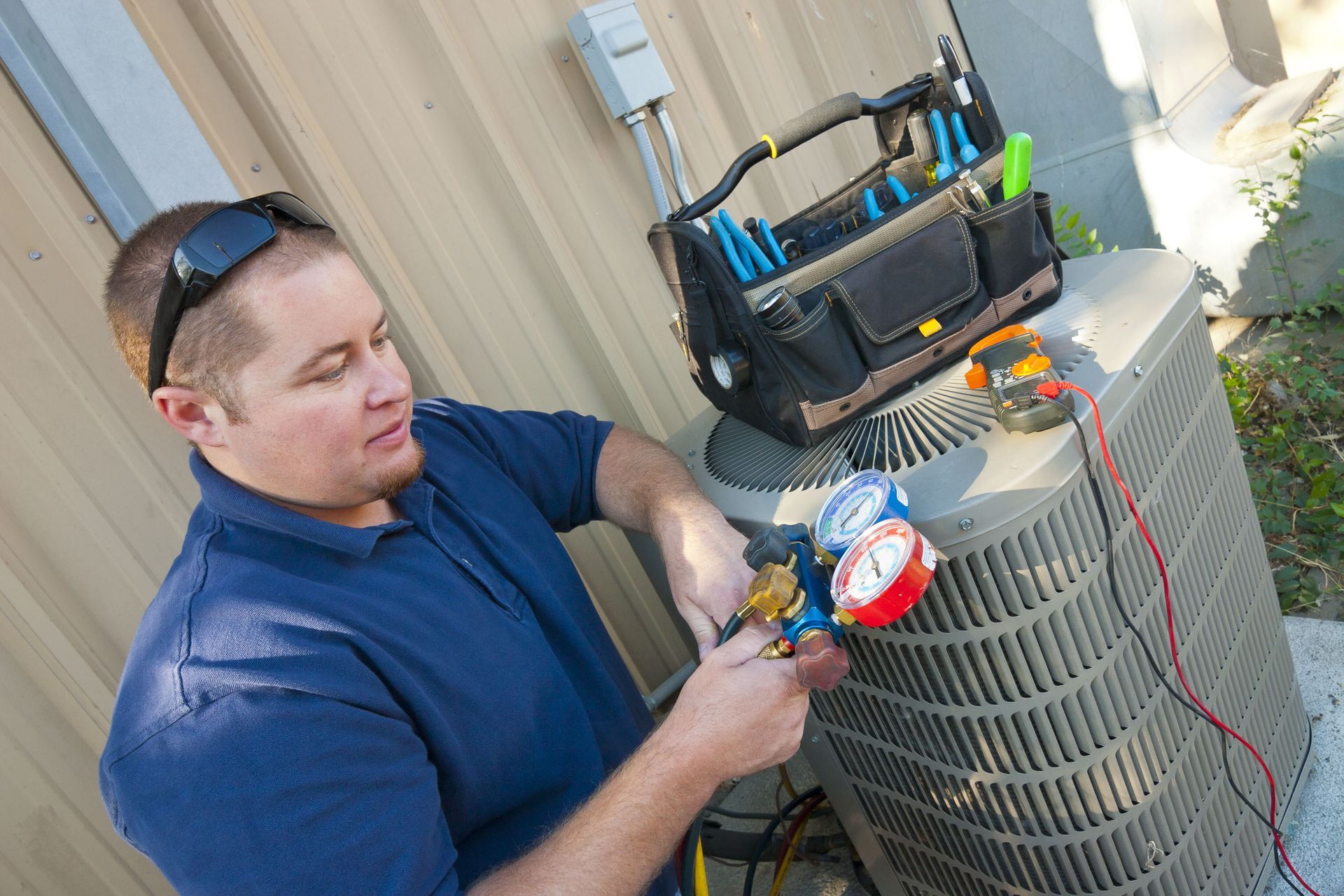
Even the most carefully fabricated sheet metal network requires precise airflow calibration to match the blower motor's performance curve. Excessive static pressure strains blower fan motors, while insufficient resistance fails to carry conditioned air through extended branch lines. Experienced technicians measure static pressure across newly installed custom conduits, making necessary mechanical adjustments to optimize velocity. Fine-tuning system resistance ensures blowers push calculated air volumes evenly toward every branch without causing mechanical wear. Correct static pressure calibration safeguards critical equipment components, reduces operational noise, and maintains consistent airflow delivery across all rooms.
Enhancing Indoor Comfort With Professional HVAC Installation
Achieving balanced home temperatures requires combining properly sized heating equipment with expertly planned, customized air distribution conduits. Skilled mechanical contractors evaluate equipment capabilities and home layouts together, ensuring that new furnace blowers interface smoothly with custom supply trunks. Executing a meticulous HVAC installation eliminates the common performance bottlenecks that plague generic installations, preventing persistent hot and cold spots. Professional metal fabrication shapes conduits around structural beams, preserving airflow integrity without compromising living space aesthetics. Selecting a tailored system upgrade ensures reliable, even temperature control, lower utility bills, and consistent indoor comfort for decades.
Eliminating frustrating temperature disparities between different living areas transforms everyday household life into an experience of continuous relaxation. Rather than abandoning overheated upper floors or freezing drafty basements, homeowners regain full use of their entire residence through balanced airflow delivery. Custom ductwork directly addresses the architectural layouts, sun exposures, and insulation levels of each unique home, solving chronic airflow issues that standard designs cannot fix. Investing in a tailored HVAC installation establishes dependable, balanced indoor temperatures, eliminating hot and cold spots permanently and creating a comfortable, energy-efficient living environment for many years to come.
Are you considering HVAC installation services for your home in Canton, GA, and the surrounding areas? Comfort Zone Heating Cooling Plumbing is ready to keep you cool during those hot summer months! Contact us today to schedule an appointment.