June 2, 2026
Understanding the critical role of HVAC systems in maintaining indoor comfort, this article explores how proactive HVAC repair and maintenance can prevent expensive breakdowns, improve system efficiency, and extend the lifecycle. Modern HVAC systems are integral to providing a comfortable environment regardless of external weather conditions. These systems not only regulate temperature but can also purify air and manage humidity. As such, keeping them in reliable working condition is important for both energy efficiency and occupants' well-being. Investing in routine repairs not only saves costs in the long run but also fortifies the system against unexpected failures.
Understanding HVAC Systems
The Functionality of HVAC Systems
HVAC systems perform a trifecta of roles: heating, ventilation, and air conditioning. They deliver warm air in winter, cool air all summer, and consistently circulate air to optimize indoor quality. By regulating air temperature and quality, these systems support human comfort and equipment functionality within buildings. In addition to temperature adjustments, HVAC systems actively dehumidify and filter air, removing particulates and contaminants. Their operational efficiency hinges on the proper functioning of interconnected components, making regular inspections and timely HVAC repair crucial.
Components of an HVAC System
An HVAC system comprises several core components, including the furnace, heat exchanger, air conditioner, evaporator coil, and ductwork. Each part has a specific function and requires regular maintenance to support seamless operation. The furnace is pivotal in heating and requires regular filter changes to prevent dust accumulation. The air conditioner's evaporator and condenser coils need periodic cleaning to maintain efficiency. Furthermore, ductwork must remain unobstructed and sealed to prevent energy loss and protect air quality.
Common Types of HVAC Systems
There are various types of HVAC systems, predominantly centralized systems, ductless systems, and hybrid systems. Central systems utilize duct networks to provide conditioned air throughout a building. Ductless systems, or mini-splits, offer zone-specific temperature control, popular for space-conscious homes.
Hybrid systems, combining traditional combustion with electric heat pumps, provide energy-efficient heating options. Each system type has unique maintenance needs and potential issues, all necessitating regular professional oversight.
The Importance of Regular Maintenance
Regular maintenance is vital for preventing small issues from developing into costly repairs. Scheduled inspections and service help all HVAC components operate at peak efficiency. This proactive approach enhances energy efficiency, directly impacting utility costs by reducing unnecessary consumption.
Furthermore, regular upkeep supports a prolonged system lifespan, delaying expensive replacements. Consistent maintenance also supports compliance with warranty terms, which frequently mandate periodic professional servicing.
Indicators of a Well-Running System
A well-running HVAC system operates quietly and efficiently, maintaining consistent temperatures and air quality. Energy bills remain stable, and system responses to thermostat changes are prompt. Notably, rooms across a building stay at even temperature levels without noticeable variance. Additionally, clean and well-maintained systems emit no unusual odors or excessive noise.
Monitoring these indicators allows early detection of potential issues before they escalate into major malfunctions.
Common Causes of HVAC Breakdowns
Neglecting Basic Maintenance
Many HVAC breakdowns stem from neglecting basic maintenance, such as filter changes and coil cleaning. Filters should be replaced regularly to prevent clogging, which hampers airflow and forces systems to expend more energy.
Clean coils are essential to maintain adequate heat exchange rates, critical for cooling efficiency. Failure to address these basics leads to increased operational strain and potential system failures. Regular attention to these foundational elements is necessary to preempt expensive repairs and energy waste.
Wear and Tear
Wear and tear are inevitable aspects of HVAC operation as components endure constant use. Mechanical parts such as belts and bearings can wear out over time, necessitating regular inspection. Lubrication and adjustments help reduce friction and wear, preserving system integrity. Proactive upkeep within the system's design lifecycle replaces worn parts before failures occur. Addressing wear and tear in a timely manner prevents significant system damage and avoids service interruptions.
Dirty Filters and Coils
Dirty filters and coils are prevalent culprits of inefficiency, blocking airflow and straining system components. A clean filter is crucial to maintaining airflow volume and preventing the buildup of particulates within the system. Coils coated with dirt drastically reduce their efficacy in heat exchange, compromising both cooling and heating functions. Routine cleaning and filter replacements are straightforward, preventative measures every homeowner should observe. Their importance cannot be overstated, given how failure in the air passage often results in serious mechanical issues.
Electrical Issues
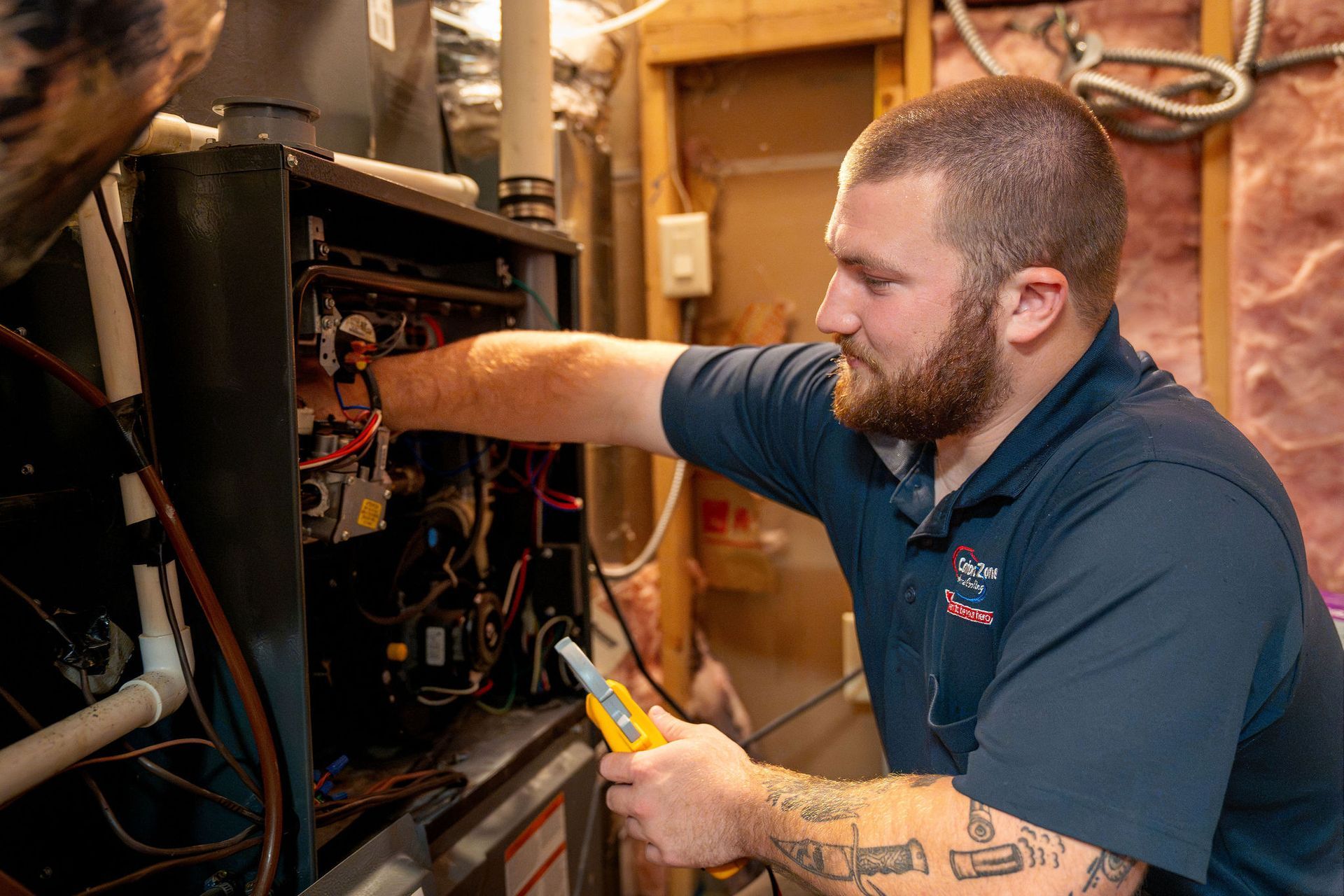
Electrical issues in HVAC systems manifest in various forms, from faulty connections to damaged wiring. Compromised electrical components can lead to short cycling, poor system performance, or unexpected shutdowns. Regular electrical inspections safeguard against potential fire hazards and equipment damage. Maintenance checks should include thermostat settings, voltage inputs, and wiring integrity. By addressing electrical concerns swiftly, homeowners can minimize repair costs and prolong system life.
Refrigerant Problems
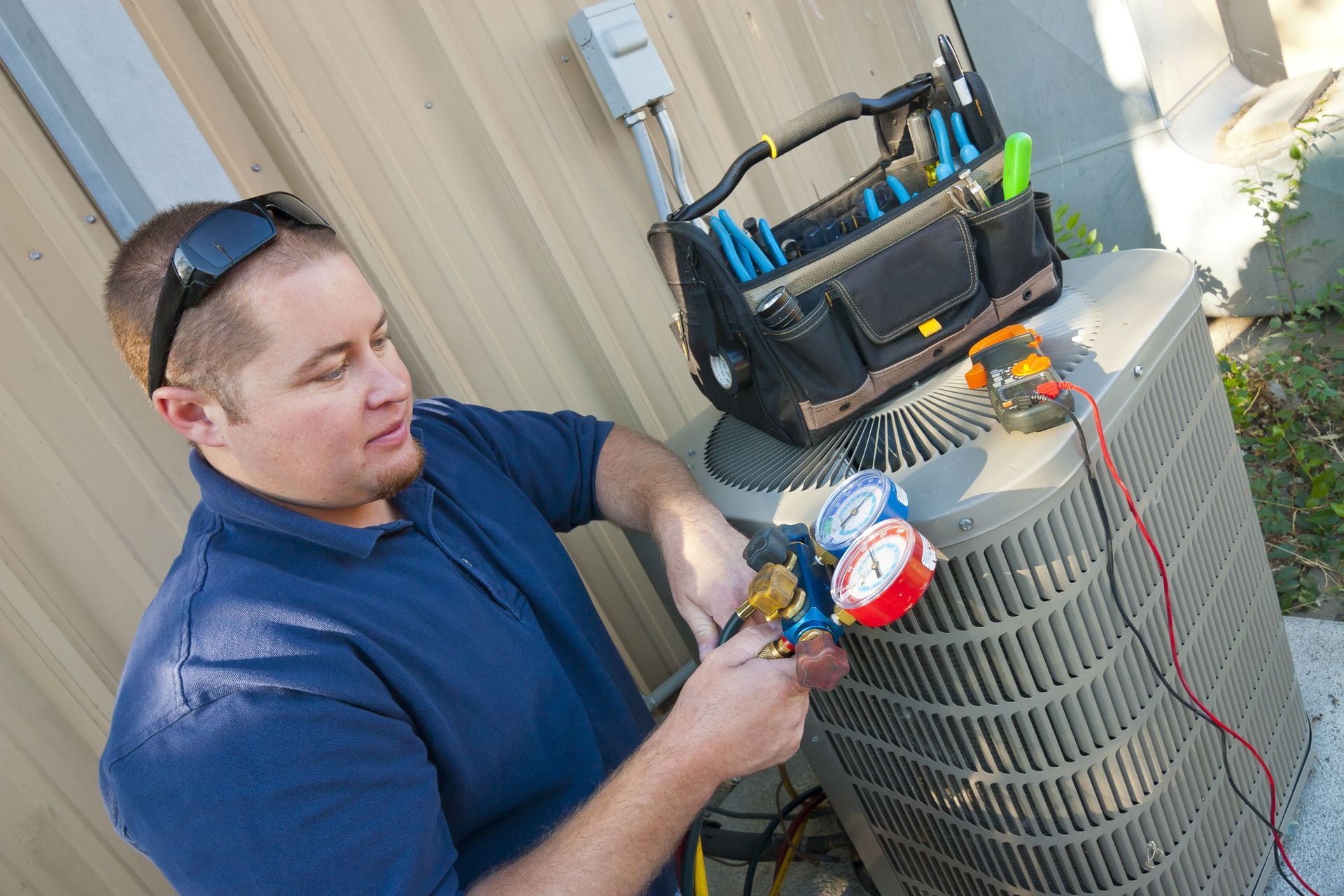
A system's refrigerant is pivotal for effective cooling, and any leaks or insufficiencies can impair its function. According to the Department of Energy, technicians determine the cooling capacity at 20 BTUs per square foot of living area when sizing systems. Sub-optimal refrigerant levels hinder this capacity, leading to inefficiencies and potential compressor damage. Identifying leaks early helps the system operate under optimal conditions, safeguarding against costly repairs and replacements. Consistently verifying refrigerant levels is a critical component of preventative maintenance.
The Benefits of Routine HVAC Repair
Enhanced Energy Efficiency
Routine HVAC repair bolsters energy efficiency, reducing the system's operational costs. An efficiently working HVAC unit expends less energy and stress, translating into lower utility bills. Addressing minor issues before they grow helps the system run with minimal impediments, optimizing consumption. Well-maintained systems operate within ideal specifications, preserving their longevity and reducing unnecessary energy usage. The economic benefits of energy efficiency extend beyond individual savings, contributing to broader environmental conservation efforts.
Improved Air Quality
A clean, efficiently functioning HVAC system significantly enhances indoor air quality by filtering pollutants. Regular maintenance helps keep filters free of dust and allergens, crucial for healthy indoor environments. Systems with clean filters and functional airflow promote circulation and reduce mold and bacteria accumulation. Improved air quality fosters a healthier living space, particularly beneficial for individuals with respiratory conditions. By investing in routine HVAC repair, homeowners enhance indoor environments and contribute to overall well-being.
Prolonged System Lifespan
Consistent maintenance efforts prolong an HVAC system's lifespan, delaying costly replacements. Proactive attention to system requirements prevents wear and breakdown, maintaining optimal operation over time. By addressing wear and repair needs at regular intervals, homeowners sustain system functionality well beyond expected timelines. A maintained system is guarded against frequent failures, supporting its endurance under consistent usage. Investing in maintenance is a prudent financial strategy, maximizing return on equipment investments.
Cost Savings on Major Repairs
Homeowners find significant cost savings by avoiding major repairs with routine HVAC service. Detecting and resolving small issues through regular maintenance helps avert the high expenses associated with major component failures. Early intervention in minor mechanical issues prevents escalation and costly service disruptions. Additionally, maintaining efficiency curtails increasing utility costs as systems age. The cumulative effect of regular HVAC repair translates into substantial savings over the system's lifespan.
Increased Home Comfort
Functioning HVAC systems are essential for maintaining consistent comfort levels within a home. Well-maintained systems respond efficiently to thermostat inputs, sustaining programmed indoor temperatures and maintaining air quality. The ability to efficiently manage temperatures fosters a consistently pleasant environment, responsive to occupants' needs. Regular maintenance provides heat in winter, cool air in summer, and year-round air purity. Comfort, paired with system reliability, justifies ongoing repair investments.
Regular HVAC repair and maintenance are essential for avoiding costly system breakdowns. By understanding your system's needs and choosing reliable repair services, you can support a comfortable, efficient, and long-lasting HVAC system for your home. Emphasizing routine maintenance extends system lifespan, boosts energy efficiency, and contributes significantly to indoor comfort. Making informed decisions regarding HVAC care, coupled with professional oversight, prevents avoidable expenses over the long term.
Prioritizing these practices exemplifies sound home management, reinforcing resilience and reliability within your living environment. Contact Comfort Zone Heating Cooling Plumbing today for more.