June 19, 2026
Understanding when your air conditioning unit requires repair is crucial for maintaining home comfort and energy efficiency. Many homeowners overlook the initial signs that indicate their air conditioning systems may be underperforming. Ignoring these warning signs not only leads to discomfort during extreme weather but also results in higher energy bills and costly repairs. Therefore, it is essential to recognize the indicators that suggest your AC system needs professional attention before it becomes an unavoidable issue. Prompt detection and intervention through professional AC Repairs can save you from unexpected breakdowns and extend the operational life of your cooling unit.
The importance of professional HVAC service continues to grow as homeowners increasingly rely on efficient climate control systems throughout the year. According to the U.S. Bureau of Labor Statistics (BLS), employment of heating, air conditioning, and refrigeration mechanics and installers is projected to average approximately 40,100 job openings each year over the decade. This continued demand highlights the essential role HVAC professionals play in maintaining, repairing, and optimizing the systems that keep homes comfortable and energy efficient. As systems age, qualified technicians performing AC Repairs help ensure equipment continues operating safely and efficiently.
Inconsistent Airflow and Uneven Cooling
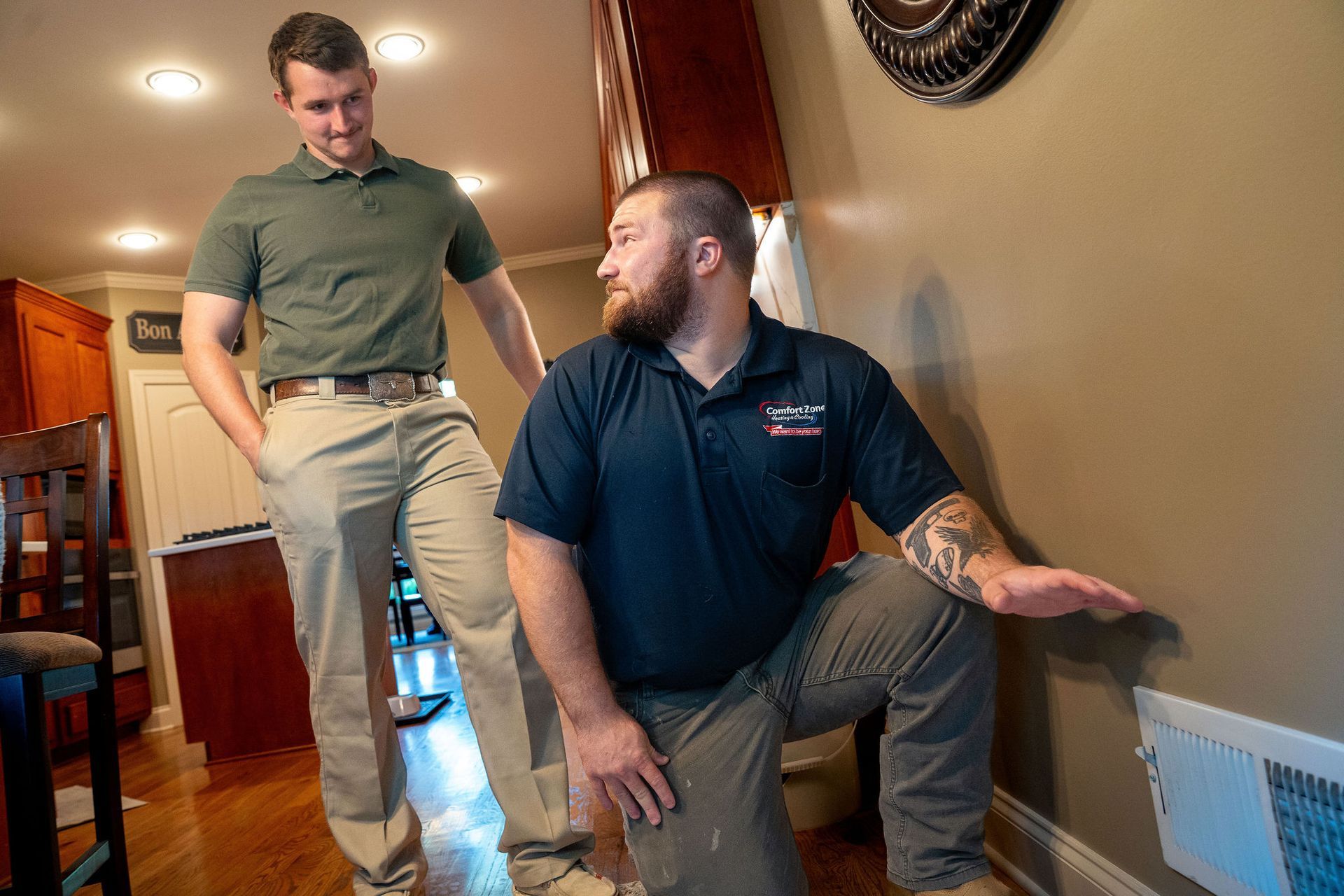
One of the most noticeable signs that your air conditioning system requires attention is inconsistent airflow or uneven cooling throughout the home. If some rooms feel comfortable while others remain noticeably warmer, your system may be struggling to distribute conditioned air properly. This issue can stem from several causes, including clogged air filters, blocked vents, damaged ductwork, failing blower motors, or improperly sized HVAC equipment.
When airflow is restricted, your AC system must work harder to push cooled air throughout the home. This additional strain increases energy consumption and accelerates wear on important components. Homeowners often notice longer cooling cycles, reduced comfort, and higher utility bills when airflow problems are present. In some cases, the issue may be caused by leaks within the duct system that allow conditioned air to escape before reaching its intended destination.
Older systems are particularly susceptible to airflow challenges because they may lack the efficiency features found in newer equipment. Over time, dust accumulation, aging components, and outdated designs can reduce overall performance. A professional technician can inspect the system, evaluate airflow patterns, and identify the root cause of uneven temperatures. Whether the solution involves duct repairs, filter replacement, blower motor servicing, or system upgrades, timely AC Repairs can significantly improve comfort and efficiency.
Consistent airflow is essential for maintaining a balanced indoor climate. By addressing cooling inconsistencies early, homeowners can prevent unnecessary strain on their equipment and enjoy more reliable performance throughout the hottest months of the year.
Thermostat and Temperature Control Problems
Your thermostat serves as the central control point for your cooling system, making it one of the most important components in maintaining indoor comfort. When a thermostat malfunctions, it can send incorrect signals to the air conditioning unit, causing the system to operate inefficiently or inconsistently. As a result, homeowners may experience temperature fluctuations, short cycling, or difficulty maintaining their desired indoor settings.
Common thermostat-related issues include inaccurate temperature readings, delayed responses, and failure to communicate properly with the HVAC system. If your air conditioner turns on and off frequently without completing a full cooling cycle, the thermostat may be incorrectly detecting room temperatures. Similarly, if the system runs continuously without reaching the desired setting, calibration issues or faulty sensors may be contributing to the problem.
Temperature control problems can also indicate deeper issues within the cooling system itself. Refrigerant leaks, compressor malfunctions, electrical failures, and ductwork problems may all contribute to inconsistent temperatures throughout the home. Because many of these issues present similar symptoms, a professional inspection is often necessary to determine the exact source of the problem and recommend appropriate AC Repairs.
Modern programmable and smart thermostats offer enhanced control and efficiency, allowing homeowners to customize cooling schedules and monitor system performance. However, even advanced devices require occasional maintenance and calibration. Addressing thermostat concerns early helps improve comfort, reduce energy waste, and ensure that your cooling system operates as intended.
Reliable temperature control not only enhances comfort but also supports the overall health of your HVAC system by preventing unnecessary strain and excessive operating cycles.
Unusual Mechanical Noises
Air conditioning systems naturally produce some operational sounds, but loud or unusual noises should never be ignored. Grinding, squealing, rattling, banging, and clanking sounds often indicate mechanical issues that require professional attention. These noises may develop gradually or appear suddenly, depending on the nature of the underlying problem.
Grinding noises frequently suggest worn bearings, motor issues, or problems with internal moving components. Squealing sounds may indicate slipping belts, damaged fan motors, or excessive friction between parts. Rattling noises can result from loose hardware, unsecured panels, or debris that has entered the system. Clanking and banging sounds are often more serious and may signal broken components or major mechanical failures.
As these issues progress, they can place additional stress on the entire HVAC system. What begins as a minor repair may eventually lead to significant equipment damage if left unaddressed. For example, a loose component can cause vibrations that affect surrounding parts, creating a chain reaction of wear and deterioration.
Professional technicians have the training and diagnostic tools necessary to identify the source of unusual sounds quickly. They can inspect motors, fans, belts, bearings, and other moving components to determine whether repairs or replacements are needed. In many cases, scheduling AC Repairs early can prevent more extensive and expensive repairs later.
Homeowners should never assume that unusual noises will resolve on their own. Prompt action helps preserve system performance, improve efficiency, and maintain quiet operation throughout the home.
Hissing Sounds and Refrigerant Concerns
While some mechanical noises indicate worn components, hissing or bubbling sounds often point to refrigerant-related issues or air leaks within the system. Refrigerant plays a critical role in the cooling process by absorbing heat from indoor air and releasing it outside. When refrigerant levels become compromised due to leaks, the system's ability to cool effectively decreases significantly.
Low refrigerant levels force the air conditioner to work harder to achieve desired temperatures, resulting in longer run times and increased energy consumption. Homeowners may notice that their system struggles to cool the home adequately, even when operating continuously. Ice buildup on refrigerant lines, reduced airflow, and warm air coming from vents are additional warning signs that often accompany refrigerant problems.
Hissing sounds can occur when refrigerant escapes through small leaks in coils, lines, or fittings. Bubbling noises may indicate air entering the refrigerant system or refrigerant moving through damaged areas. Because refrigerants must be handled according to strict safety and environmental regulations, repairs should always be performed by qualified HVAC professionals.
Addressing refrigerant and air leakage issues promptly through professional AC Repairs helps restore cooling performance, improve efficiency, and prevent more severe damage to critical system components.
Musty Odors and Indoor Air Quality Issues
Unpleasant odors coming from your air conditioning system should never be ignored. Musty, moldy, or damp smells often indicate moisture buildup within the HVAC system, creating an environment where mold and mildew can thrive. These contaminants can spread through the ductwork and negatively affect indoor air quality throughout the home.
Moisture accumulation commonly develops when condensate drain lines become clogged or when excessive humidity remains trapped within system components. Dirty evaporator coils, neglected air filters, and poorly ventilated ductwork can also contribute to microbial growth. As mold and mildew multiply, unpleasant odors become more noticeable each time the air conditioner operates.
Beyond creating unpleasant smells, poor indoor air quality can impact occupant comfort and overall well-being. Airborne contaminants may aggravate allergies, respiratory sensitivities, and other health concerns. For this reason, musty odors should be treated as both a comfort issue and a potential air quality concern.
Professional HVAC technicians can inspect the system for mold growth, drainage issues, and areas of excessive moisture. Cleaning contaminated components, replacing filters, improving drainage, and addressing ventilation concerns can significantly improve indoor air quality while eliminating unwanted odors. Routine maintenance also helps prevent future moisture-related problems from developing.
By addressing warning signs as soon as they appear, homeowners can maximize system longevity, improve comfort, and avoid unexpected breakdowns during the hottest times of the year. For more information about the services that we offer, reach out to our incredible team at Comfort Zone Heating Cooling Plumbing today!