August 6, 2026
Maintaining a comfortable indoor environment requires a deep understanding of household mechanical systems. When environmental controls fail, immediate intervention becomes necessary to restore healthy air circulation and temperature stability. Navigating system restoration can feel overwhelming for many property owners, yet following a structured methodology ensures optimal outcomes. Timely dynamic technical intervention during an HVAC repair prevents minor mechanical flaws from escalating into catastrophic equipment failures, thereby safeguarding long-term property investments and indoor air quality.
Every climate management system relies on intricate electrical networks, fluid thermodynamics, and mechanical filtration working in complete synchronicity. Disruptions to any single element compromise total system efficiency, driving up operational expenses while decreasing overall home comfort. By approaching system recovery with detailed preparation and diagnostic rigor, home managers can easily protect their mechanical equipment while securing dependable indoor climate control throughout changing seasonal conditions.
Identify Unusual Mechanical Sounds
Audible alerts frequently serve as the primary indication that mechanical components require urgent attention. Grinding, squealing, or rattling noises signal worn bearings, loose drive belts, or motor imbalance within the blower assembly. Ignoring these persistent sound warnings drastically increases internal friction, potentially leading to total motor burnout or severe mechanical seizure. Prompt investigation allows technicians to isolate damaged components and realign rotating assemblies before structural damage spreads across the housing unit.
Observe Rapid Operational Cycles
Short cycling represents another frequent functional warning that demands systematic evaluation. When a system repeatedly powers up and shuts down without reaching desired temperatures, underlying airflow obstructions or faulty sensor calibration are typically responsible. Continuous short cycling places massive electrical stress upon compressor relays, accelerating component degradation and causing spike demands on utility connections. Systematic inspection identifies sensor recalibration needs or airflow blockages, thereby restoring smooth, sustained operation.
Monitor Inconsistent Thermal Distribution
Temperature variation across different rooms suggests internal airflow distribution troubles or refrigerant imbalances. Cold zones, warm spots, or lingering humidity indicate that air circulation pathways require immediate recalibration or cleaning. Addressing these subtle localized discrepancies ensures steady, balanced thermal regulation throughout all living spaces while preventing unnecessary workload on mechanical sub-assemblies.
Inspect Primary Filtration Components
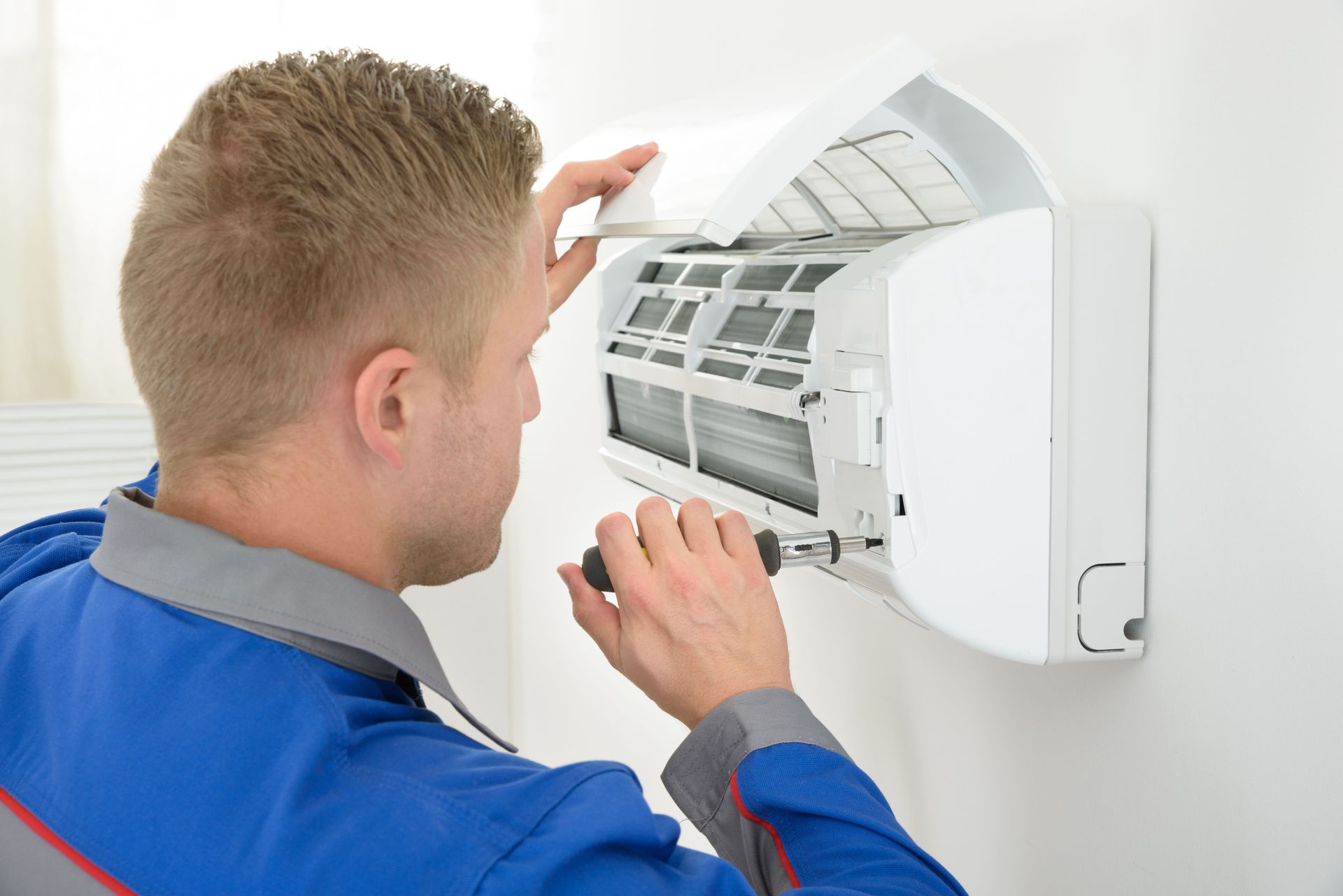
A thorough diagnostic protocol begins with examining air filtration media, as clogged filters account for a significant portion of operational failures. Excessive particulate accumulation restricts volume throughput, forcing blower motors to strain while starving cooling coils of necessary airflow. Replacing obstructed filters restores balanced static pressure, reduces mechanical friction, and protects sensitive heat exchanger surfaces from premature dust buildup.
Test Electrical Control Wiring
Electrical safety and continuity checks form a fundamental phase of comprehensive diagnostic work. Loose wire terminations, corroded relay contacts, or blown fuses impede voltage delivery, resulting in intermittent operation or complete system shutdown. Systematically checking electrical panels with precision voltage meters ensures stable current distribution and protects sensitive electronic control boards from damaging voltage spikes.
Evaluate System Refrigerant Pressure
Refrigerant balances govern thermodynamic heat transfer efficiency within cooling networks. Low pressure readings point to micro-leaks within copper coils or connecting lines, severely diminishing total heat absorption capacity. Qualified technicians utilize calibrated manifold gauges to detect pressure shifts, pinpoint tiny leakage points, and execute precision fluid recharge procedures that restore ideal thermodynamic transfer.
Analyze Overall Household Energy Consumption
Energy management plays a vital role in domestic operational planning. According to the U.S. Department of Energy, heating and cooling make up approximately 43% of the average home's energy consumption in the United States. Because climate control commands such a massive proportion of household utility usage, maintaining optimal mechanical condition directly impacts monthly operational budgets.
Reduce Unnecessary Utility Expenses
Neglecting mechanical upkeep forces systems to run longer and harder to maintain target temperatures, leading to inflated monthly utility charges. Timely restorative measures eliminate unnecessary drag on electrical motors and optimize thermal transfer rates. By executing an effective HVAC repair, home managers eliminate unnecessary utility expenses while extending overall equipment lifespan.
Prevent Premature System Replacement
Proactive equipment restoration prevents minor operational inefficiencies from degrading major internal components over time. Continuing to run damaged machinery leads to compound mechanical failure, ultimately forcing costly total system replacements. Investing in precise corrective procedures preserves internal mechanisms, maximizing total equipment longevity and yielding superior long-term financial returns.
Restore Optimal Fluid Dynamics
When thermodynamic coils suffer from micro-fractures, executing specialized seal replacement or line work restores closed-loop operational integrity. Qualified technicians carefully evacuate remaining fluid, seal damaged copper conduit, and introduce fresh refrigerant to precise manufacturer specifications. Restoring pristine thermodynamic transfer ensures stable internal temperatures even during peak summer heat waves.
Replace Burned Motor Capacitors
Electrical start and run capacitors provide the necessary phase-shift torque to drive heavy compressor motors and blower fans. Over time, heat exposure degrades internal capacitor dielectric materials, leading to electrical failure. During a complex HVAC repair, exchanging degraded capacitors with heavy-duty replacement units provides reliable motor startup, protecting main windings from high-current stall conditions.
Clean Clogged Condensate Pathways
Dehumidification generates substantial liquid runoff that must drain freely from primary drain pans. Algae, dust, and microbial sludge frequently obstruct drain lines, triggering safety float switches or causing water damage to surrounding building materials. Clearing condensate lines with pressurized air and flush solutions ensures continuous moisture extraction and prevents dangerous overflow scenarios.
Establish Routine Seasonal Tune-Ups
Preventative upkeep acts as the ultimate defense against sudden equipment breakdowns during extreme weather conditions. Pre-season maintenance schedules allow qualified professionals to clean burner assemblies, lube bearing housings, measure airflow velocities, and update control parameters before operational stress peaks. Scheduling timely professional intervention ensures complete peace of mind and minimizes the need for emergency service calls.
Maintain Clear External Unit Clearance
Outdoor condenser units require unobstructed perimeter space to dissipate absorbed indoor heat effectively. Leaves, garden vegetation, debris, and soil accumulation around exterior fins restrict convective heat dissipation, forcing internal compressors to operate under dangerously high operating pressures. Clearing perimeter space around exterior units optimizes airflow and protects high-value internal components.
Upgrade Smart Thermostat Controls
Modern digital thermostats offer precision control schedules that align climate management output with actual household occupancy patterns. Upgrading old analog controls to modern programmable units prevents unnecessary mechanical operation while unoccupied. Precision thermal scheduling optimizes system run cycles, reducing total component wear and maintaining ideal comfort upon return.
Ensure Rapid Emergency Response Capability
Unexpected mechanical failure can occur during severe weather conditions, making fast response capability essential. Professional service organizations maintain dedicated emergency teams capable of responding quickly to urgent heating or cooling outages. Access to prompt technical support minimizes indoor temperature extremes and restores essential household comfort without delay.
Executing timely and methodical system restoration safeguards total indoor comfort, protects valuable mechanical assets, and stabilizes household operational costs. From recognizing initial audible warnings to engaging licensed technical specialists, following a disciplined diagnostic and restorative process prevents minor component failures from becoming major financial burdens. Taking proactive care of heating and cooling infrastructure ensures reliable climate regulation throughout every season.
When you encounter complex system issues or require specialized maintenance, our dedicated team stands ready to deliver dependable, high-precision solutions tailored to your unique household needs. We take immense pride in delivering top-tier mechanical restoration services, keeping your home perfectly comfortable, energy-efficient, and secure year-round.
As the reliable specialists at Comfort Zone Heating Cooling Plumbing, we invite you to contact our team today for expert diagnostic evaluations, seamless preventative upkeep, and precision thermal restoration services.